Newsletter Promoted Titles
Books can and should be a joy all year long, but summer gives reading a special kind of freedom. With more open-ended days and fewer classroom routines, children often have more choice in what they read, where they read, and when they read. That sense of choice can make reading feel less like an assignment and more like an adventure.
Summer is also the perfect time for growing readers to build confidence before the next school year. Beginning readers, early graphic novels, and short chapter books offer just the right bridge into more independent reading. These formats help children enjoy longer stories, chapters, nonfiction information, and visual storytelling while still providing support through illustrations, accessible text, humor, and engaging topics.
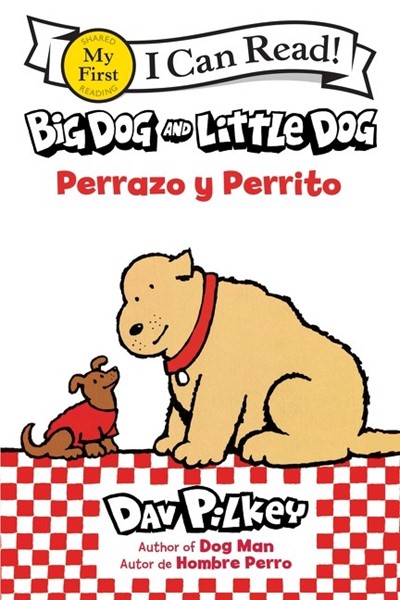
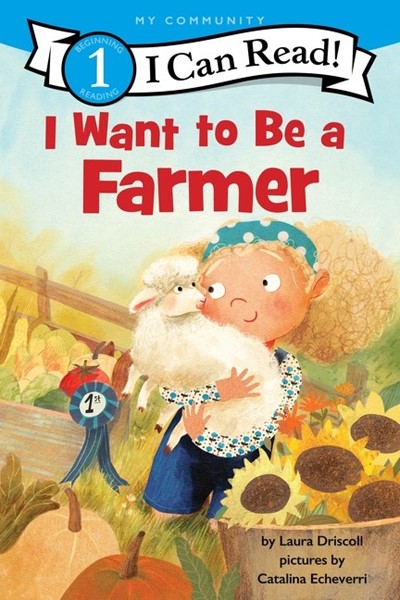
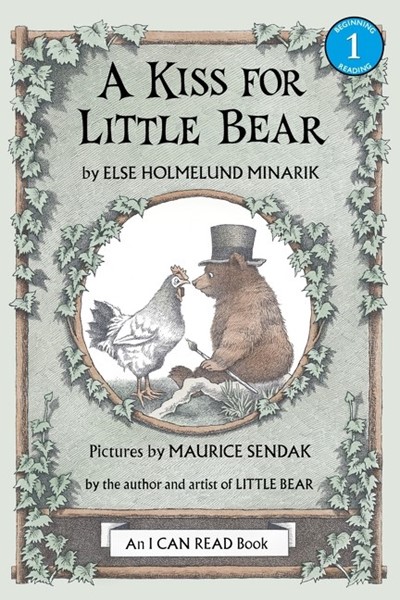
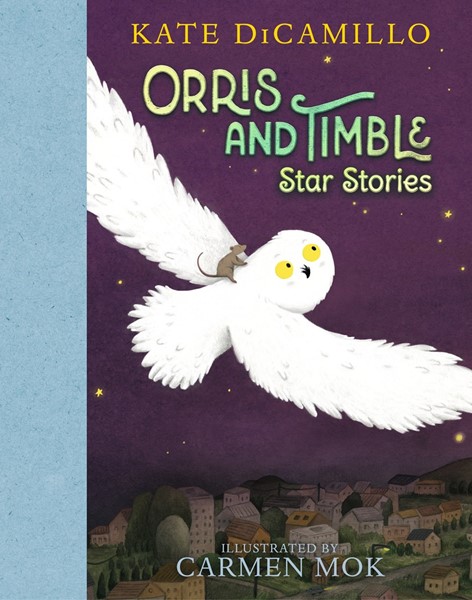
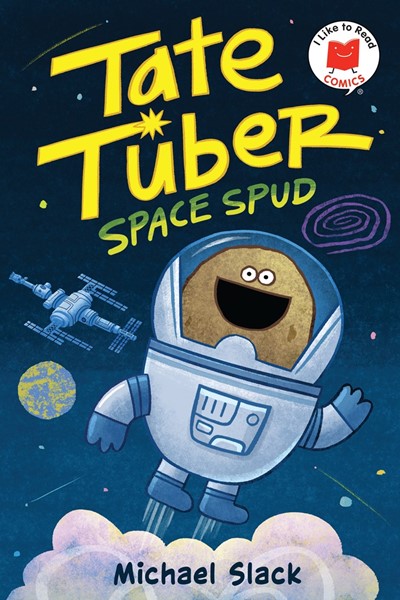

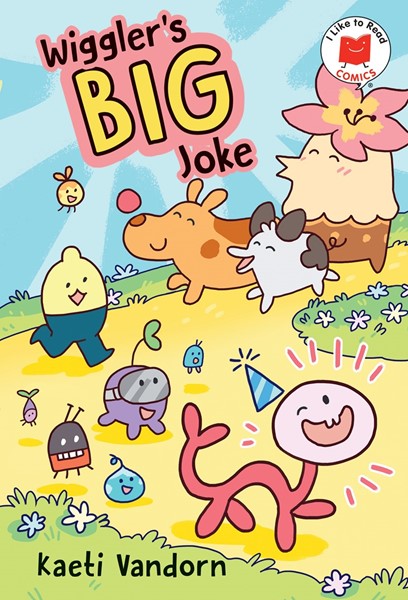
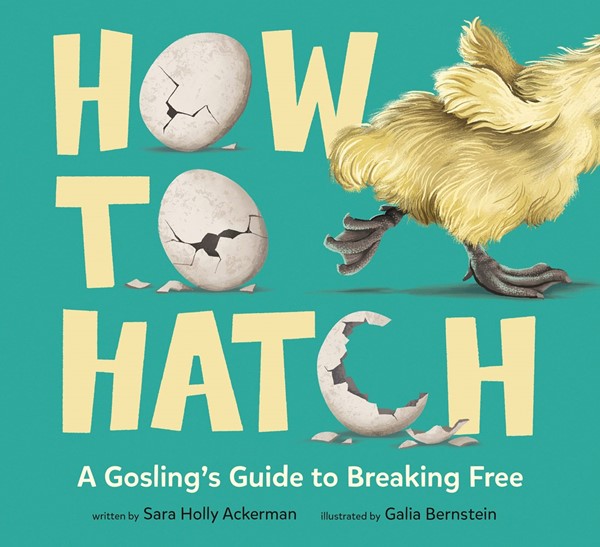
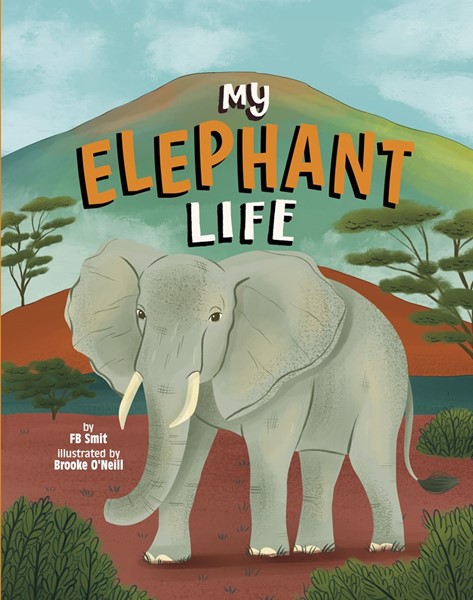
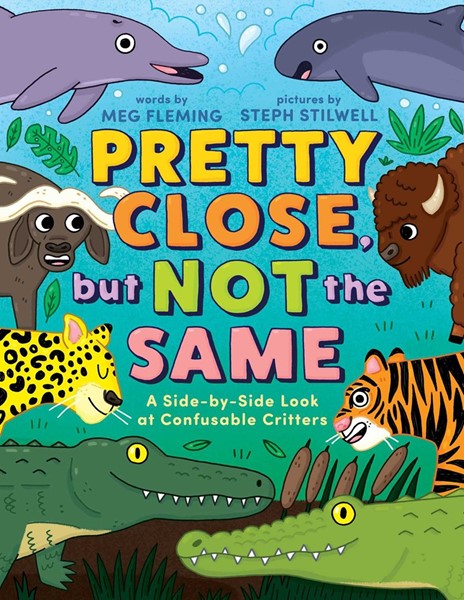
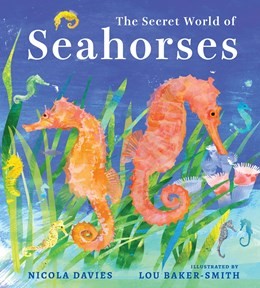
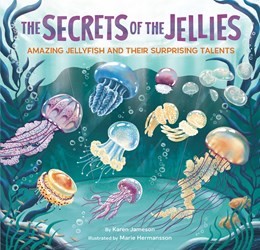
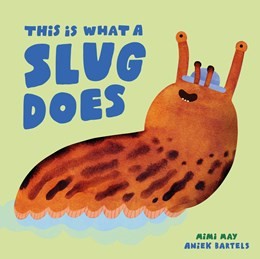
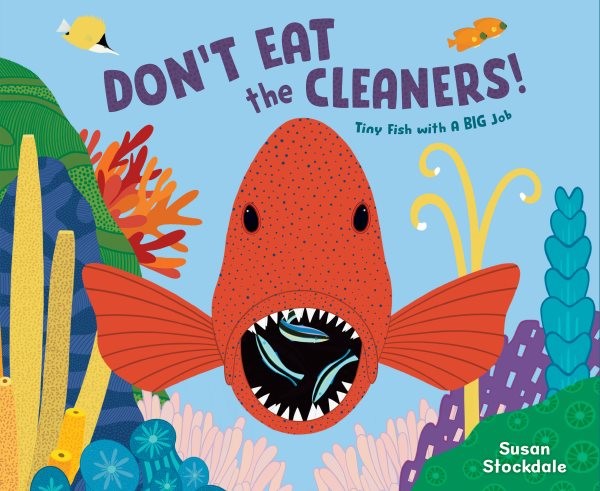
It is a wild world of animals, and these wonderful books are among our favorites.
Books about animals help children notice details, compare ideas, make predictions, wonder, and build background knowledge. They are especially valuable during story time because they present information in engaging ways, introduce rich vocabulary, and give children opportunities to ask questions based on what they hear in the text and observe in the illustrations.
This carefully selected collection gives teachers an easy way to bring high-interest nonfiction into the classroom while supporting language development, early science learning, curiosity, and joyful read-aloud experiences.
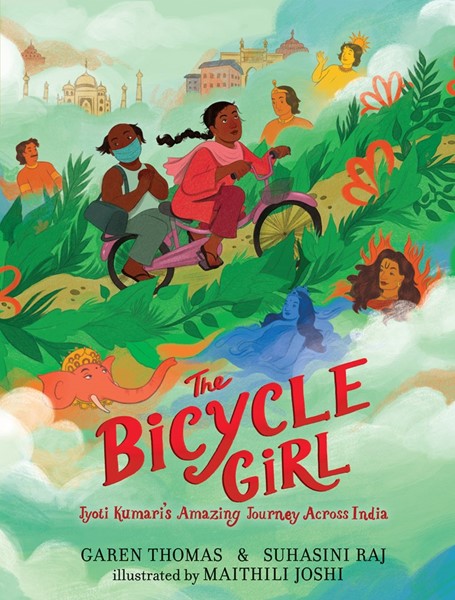
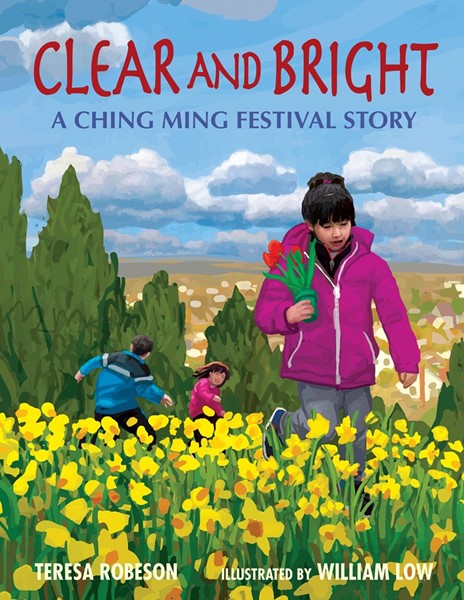
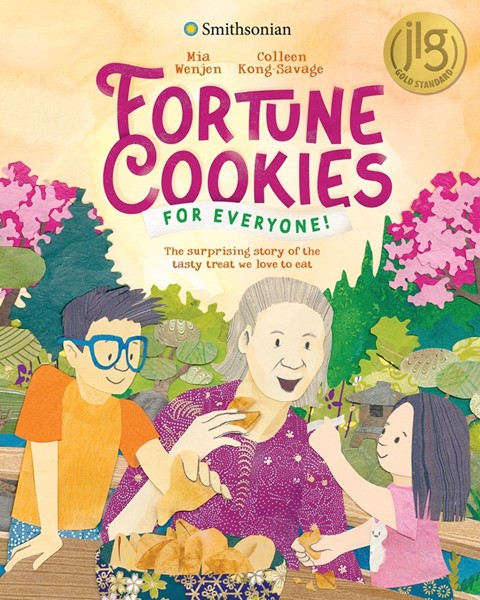
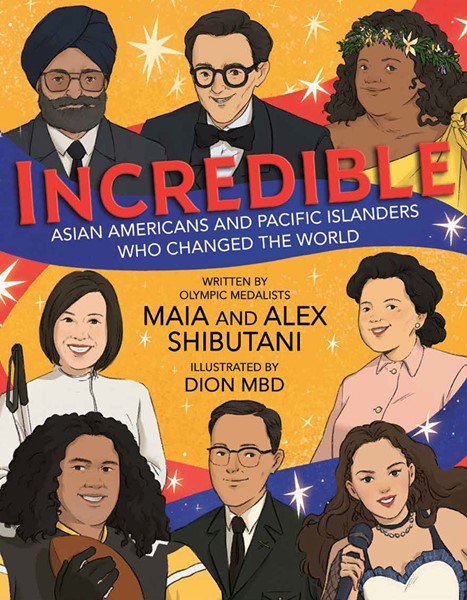
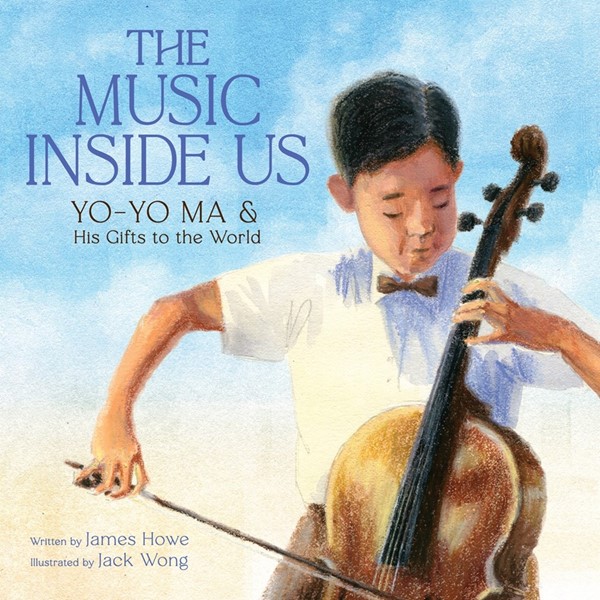
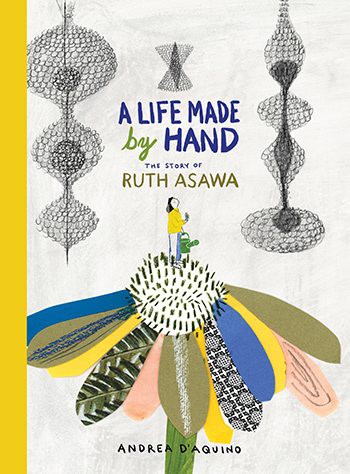
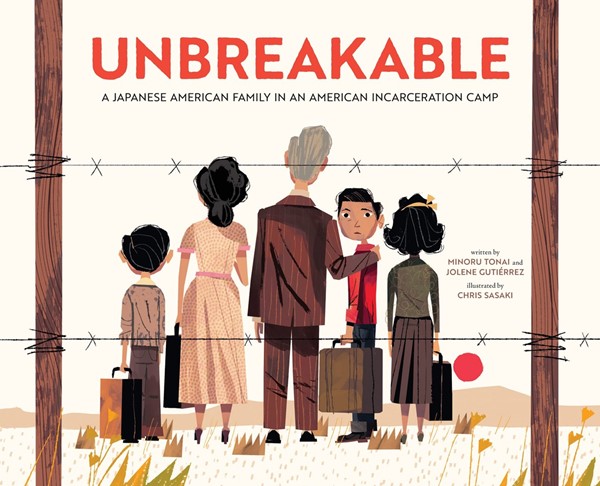
In 2026, AAPI Heritage Month continues to highlight the resilience, leadership, and contributions of these communities through new initiatives and national themes. The 2026 theme, "Power in Unity: Strengthening Communities Together," emphasizes collective action, community building, and the importance of sharing AAPI stories across generations and cultures. The theme encourages individuals, organizations, and institutions to act as bridge builders, strengthening connections within communities and across the broader American society. (Credit: The Federal Asian Pacific American Council (FAPAC). These books tell the true stories of Asian Americans and Pacific Islanders lives and their achievements.
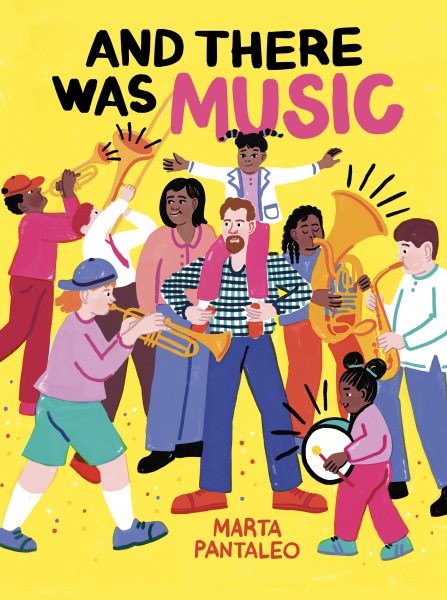
One of the greatest appeals of children's literature is the variety of ways stories can be delivered: through rhyming text, song lyrics or chants, a wealth of positional words, rich vocabulary, counting concepts, playful onomatopoeia, or even by letting illustrations alone tell the story.
No matter what format you choose, using books like the ones listed below in your storytime creates a buffet of literacy concepts for children to enjoy and explore.
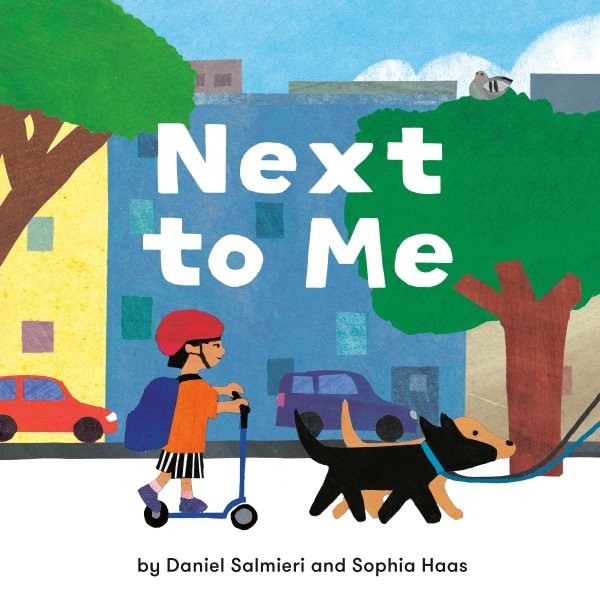
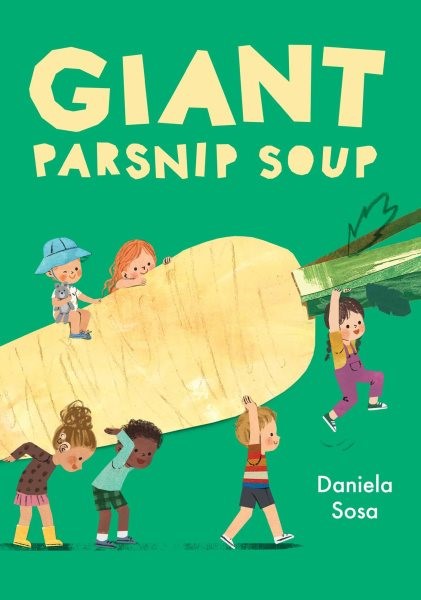
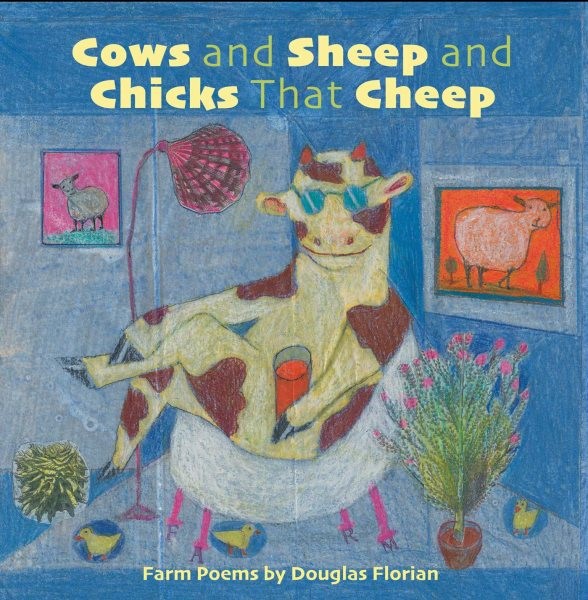
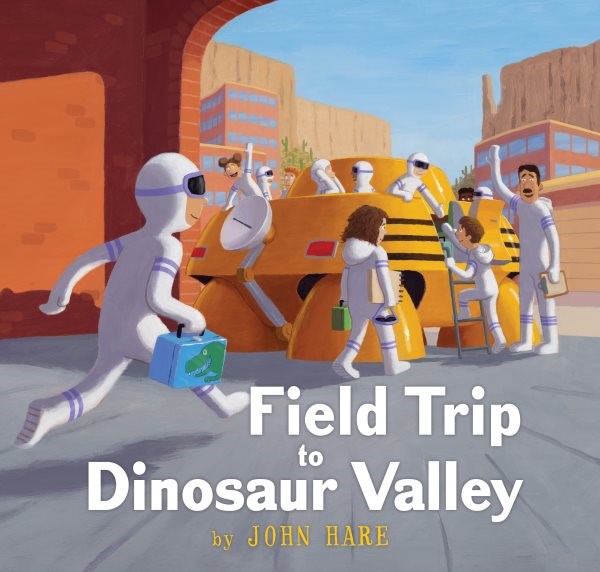
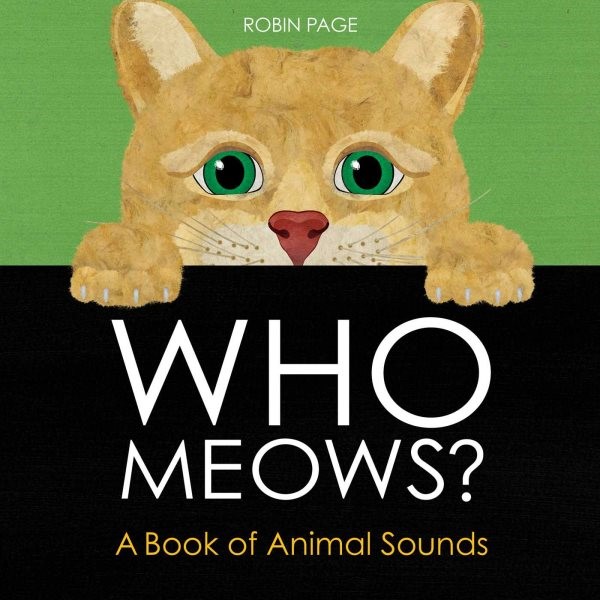
Exposing children to the world beyond the classroom builds appreciation for nature and fosters respect for animals and the environment.
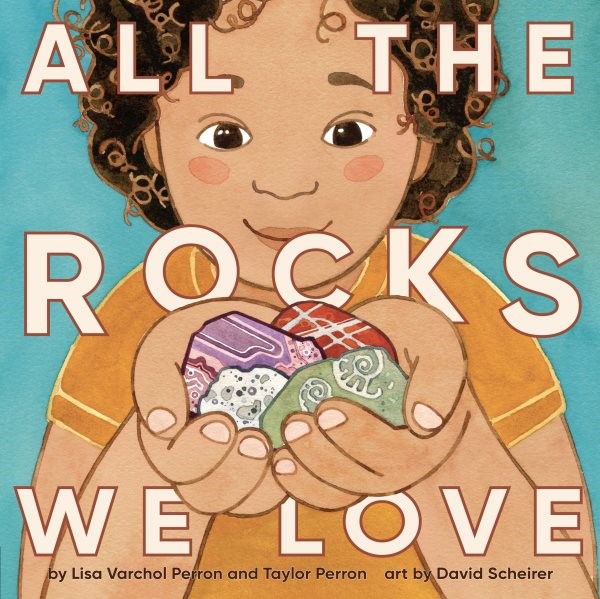
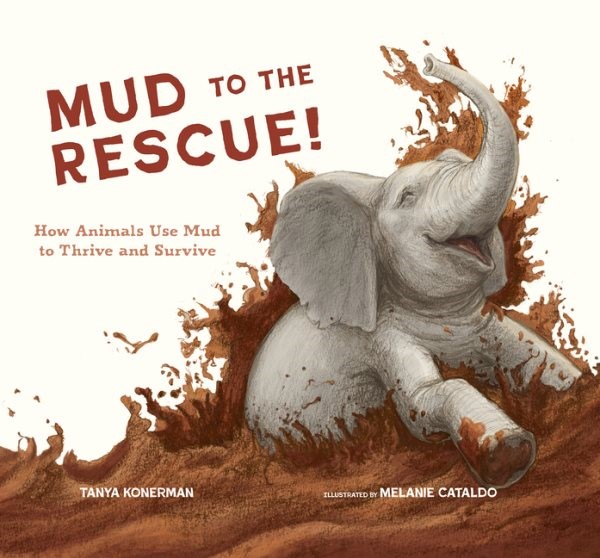
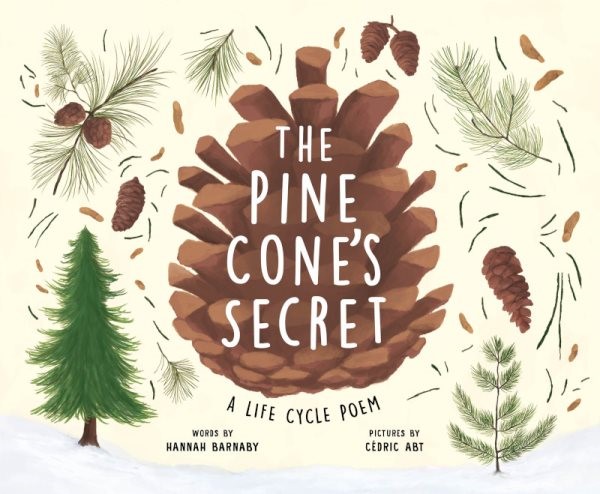
Whether exploring rocks, worms, mud, trees and their seeds, or observing changing weather conditions, hands-on discoveries spark curiosity, strengthen cognitive development, reduce stress, and deepen environmental awareness.
Unstructured time outdoors encourages children to share, communicate, and develop essential social-emotional skills. Combining imaginative play with physical activity also builds confidence, perseverance, and resilience.
The books listed below offer a rich introduction to STEAM concepts, helping children explore and appreciate the wonders of the natural world.
"In every walk with nature, one receives far more than they seek." — John Muir
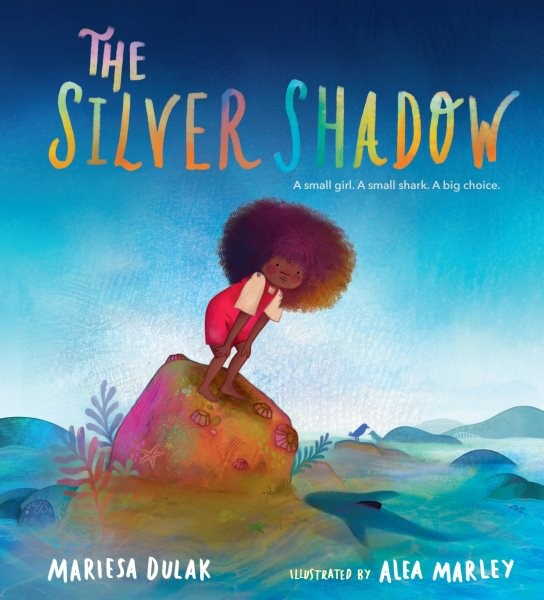
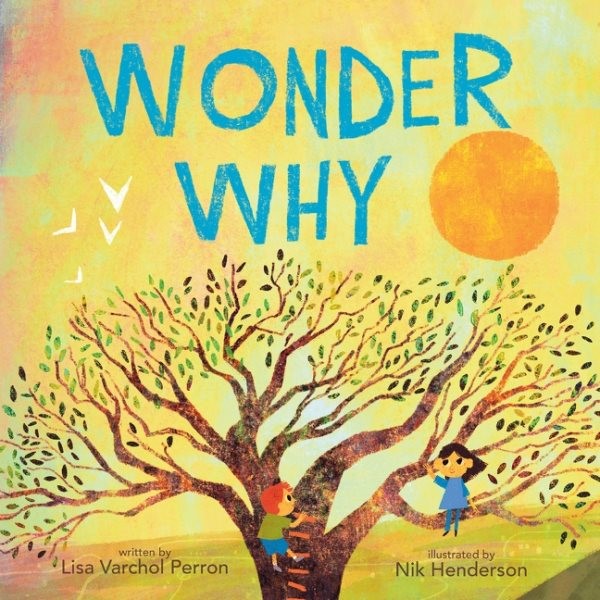
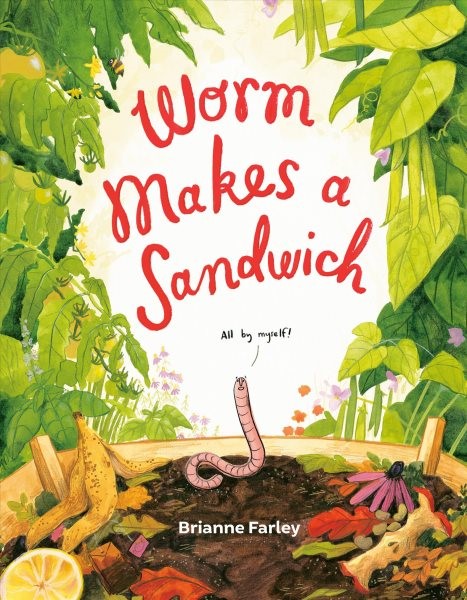
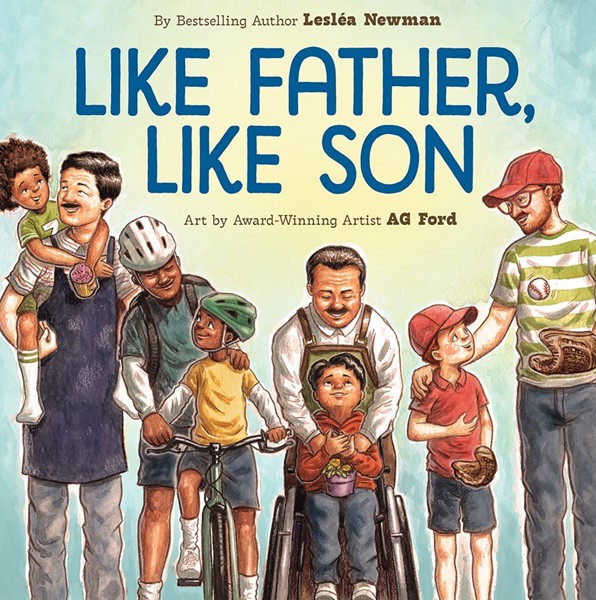
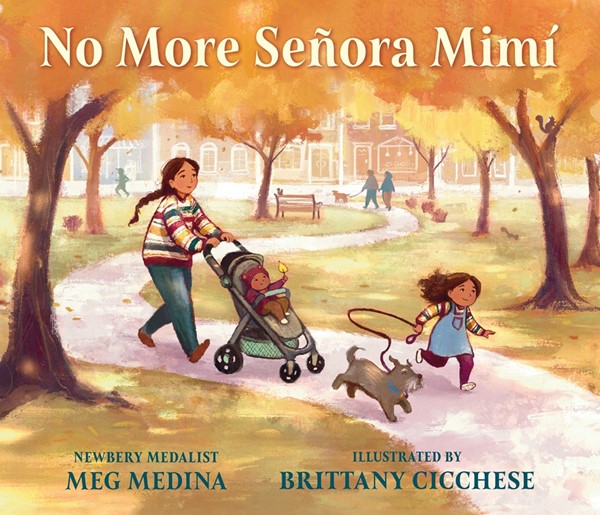
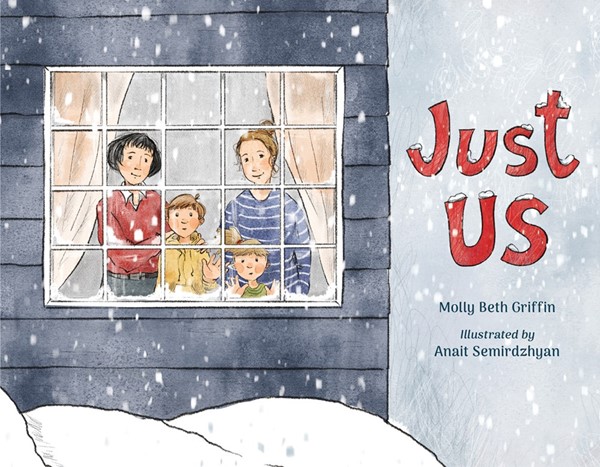
Children take pride and comfort in their families, and they derive confidence from those who love them at home. One size doesn't fit all. Some have one parent, or two parents, or a grandparent who is like a parent. It's important that children's books reflect a variety of family structures so that children see themselves reflected in their books and appreciate that not all families are alike.
The titles below feature siblings, blended families, different family structures and the importance of intergenerational relationships.
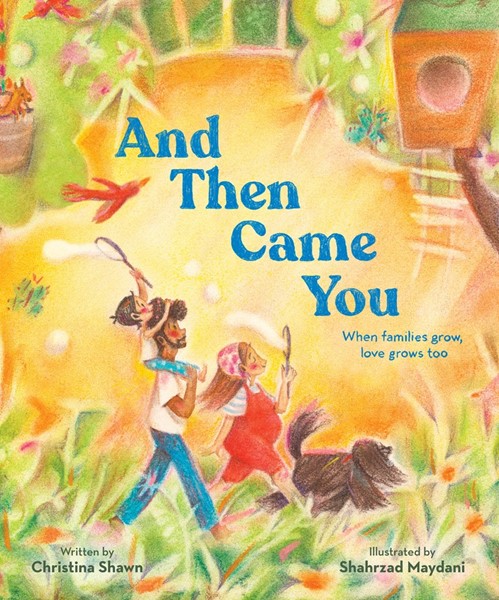
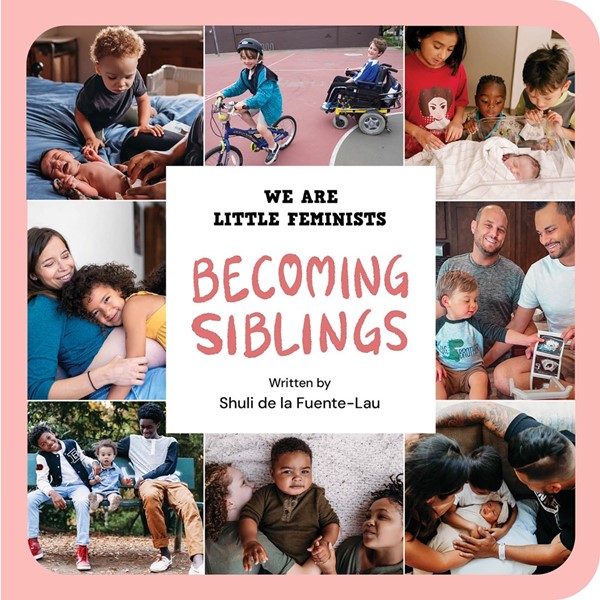
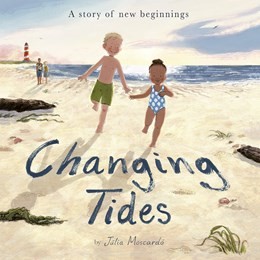
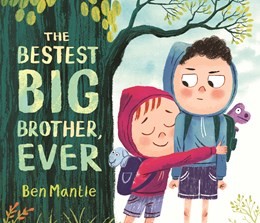
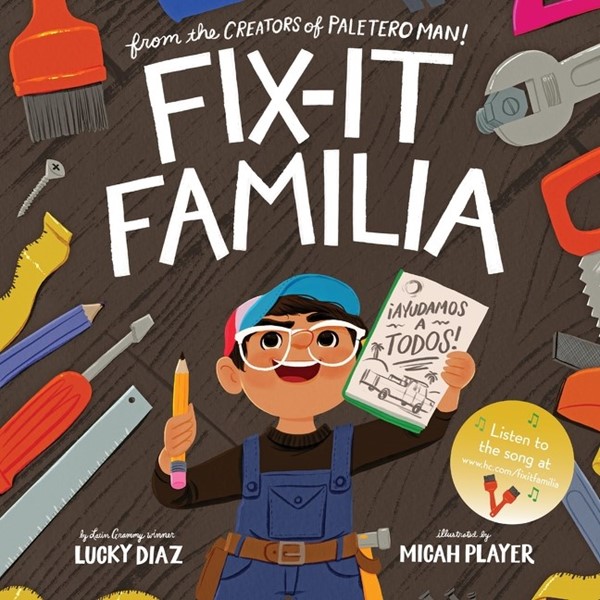
Board books are an essential resource in early childhood classrooms. When teachers implement best practices, they intentionally engage young children with age-appropriate literature during storytime and throughout the day. Teachers who show genuine interest in children's ideas and listen attentively strengthen children's communication and language skills.
Thoughtfully selected board books used as read-alouds create meaningful opportunities for children to express their likes, dislikes, and understanding of the world.
This curated selection of nonfiction board books for children ages 3–4 years supports vocabulary development, builds background knowledge, and serves as a foundation for hands-on exploration and meaningful discussion.
Credit: Marilyn Peterson is a former classroom teacher in primary grades, preschool, and blended preschool classrooms. She holds a BS in Elementary and Special Education and an MEd in Early Childhood Education.

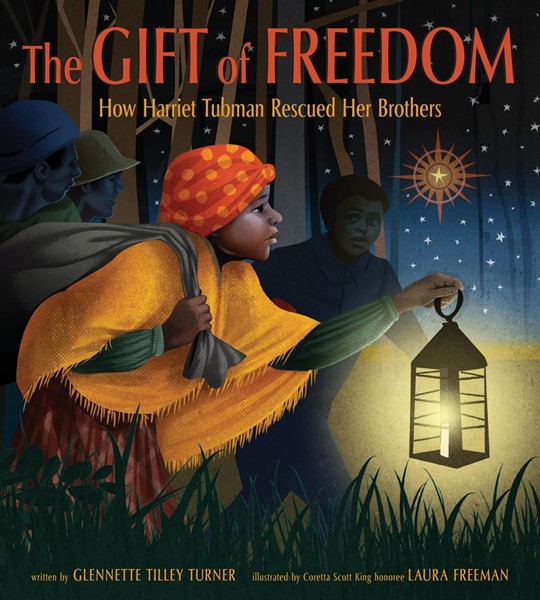
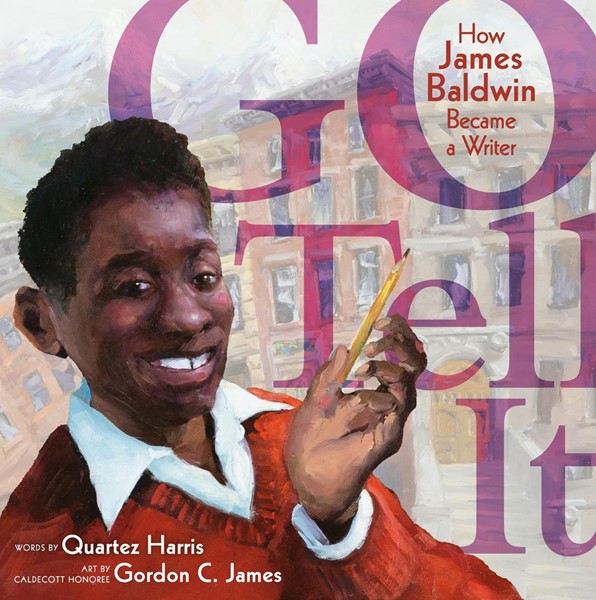
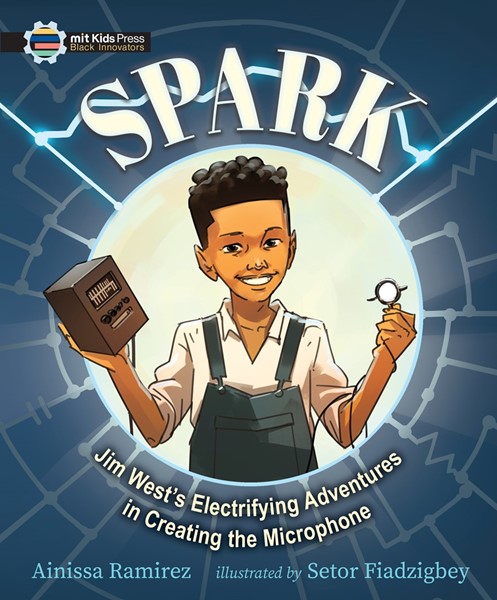
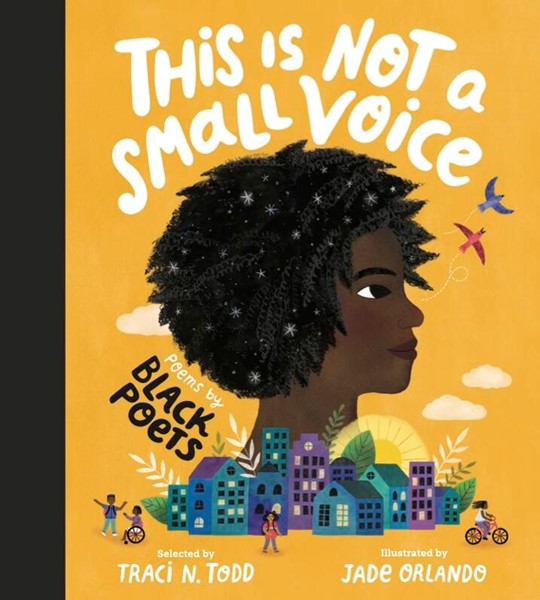
This year marks the 100th anniversary of Black History month, founded in 1915 by Carter G. Woodson, initially as Black History Week. According to Association for the Study of African American Life and History (ASALH), Woodson built Negro History Week into an African American and American institution. He set the themes and provided materials to illustrate the contributions people of African descent had made to the movement of history and modern culture.
The theme this year is "A Century of Black History Commemorations" which encourages the exploration of the impact of Black history commemorations in schools, communities, and workplaces.
As ASALH states, "The need to examine the role of Black History Month could not be greater than today, when forces weary of democracy seek to use legislative means to excise Black history from America's schools and public culture."
These books for ages 4-9 celebrate men and women of strength, intelligence, character, and creativity.



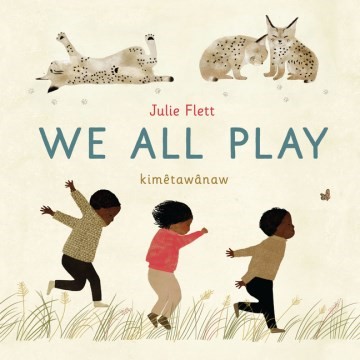
Providing books about play during preschool story time aligns with how young children learn best, strengthens foundational skills, and bridges stories with real-world experiences—making learning joyful, relevant, and effective.
When engaged in play, children have opportunities to face unexpected challenges and delights, whether social, emotional or physical.
These books introduce new vocabulary in familiar context, encourage conversation and discussion and help children connect stories to play experiences.
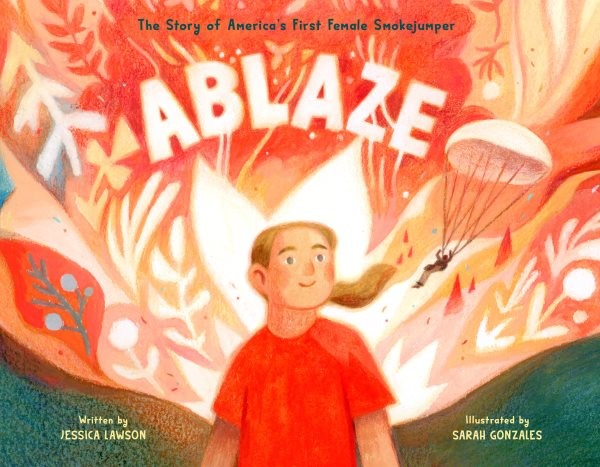
This year's Women's History Month theme, "Leading the Change: Women Shaping a Sustainable Future," recognizes the global challenges we face, including climate change, economic insecurity, healthcare disparities, and threats to democratic participation—issues that disproportionately affect women. The theme affirms that building a sustainable future requires systems that support both people and the planet. The books in this collection honor the diverse contributions of women who have led, and continue to lead, transformative change across all sectors of society.
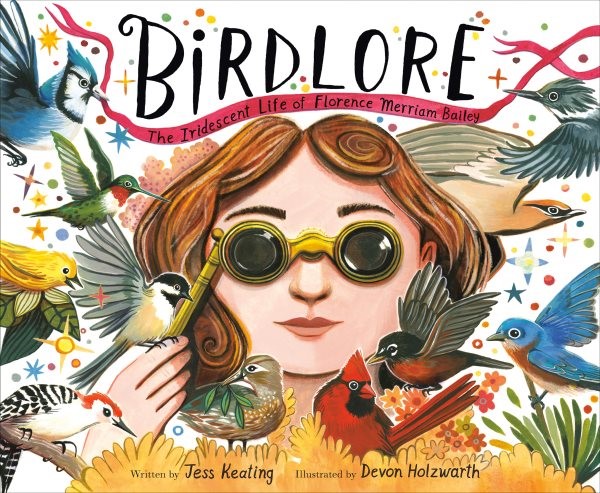
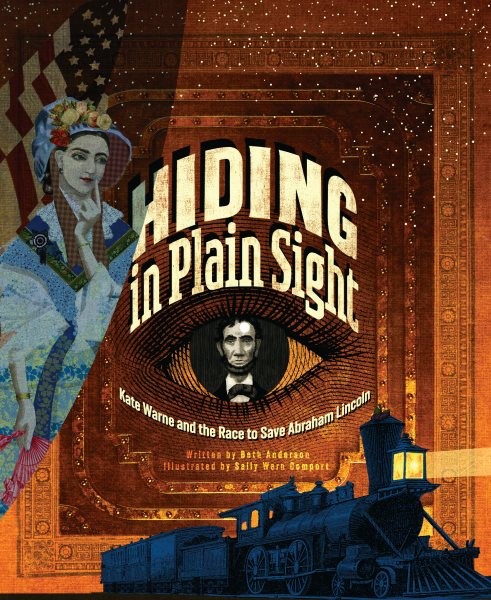

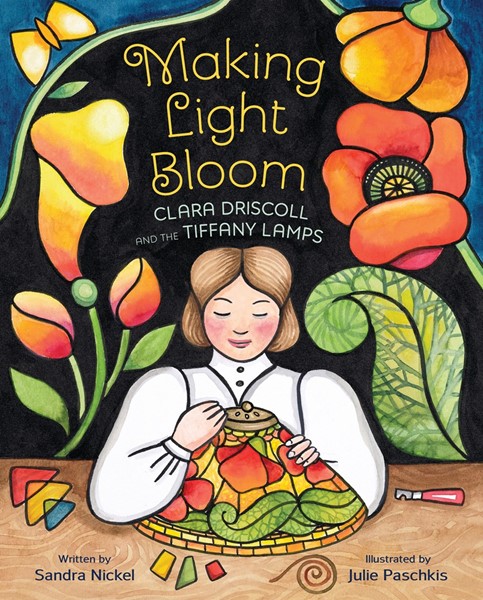
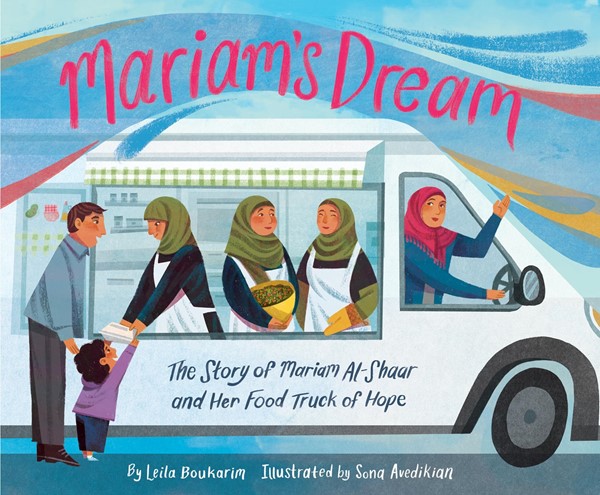
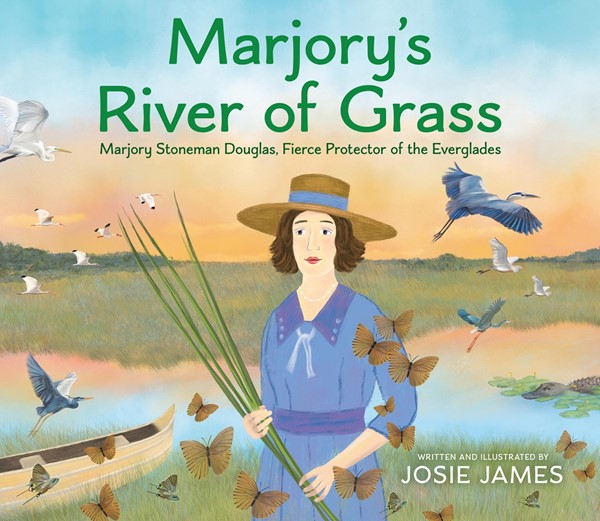
There are almost 500 million Indigenous people living around the globe today, many here in North America. They maintain many of their traditions while also becoming part of new dominant cultures around them. In North America, distinct indigenous cultures are frequently mischaracterized as homogenous. But picture books are now recognizing the unique traditions of different North American tribes and the modern ways in which Indigenous peoples live today.
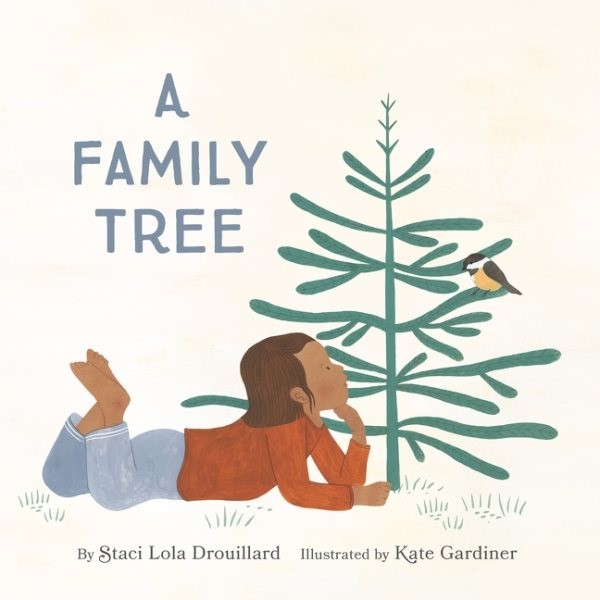
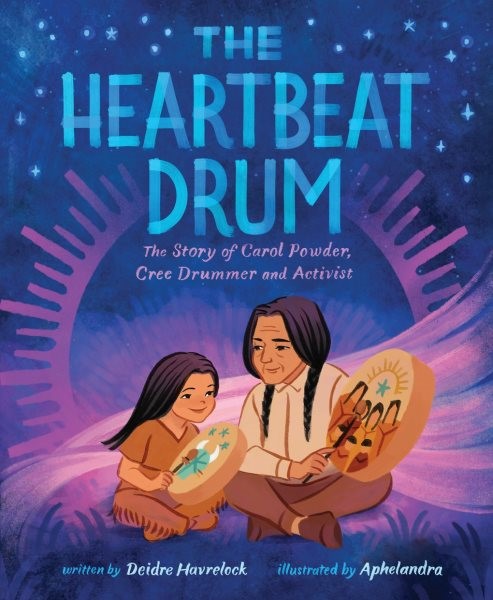
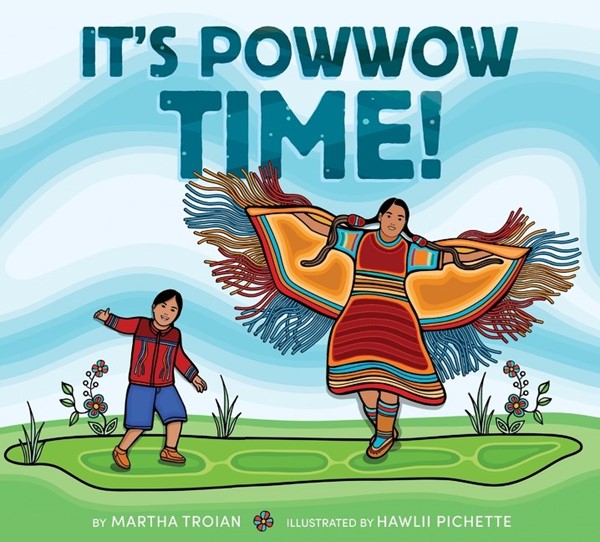
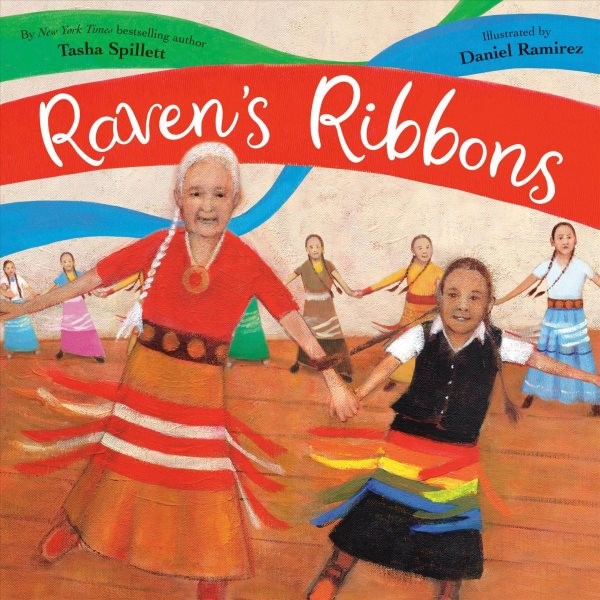
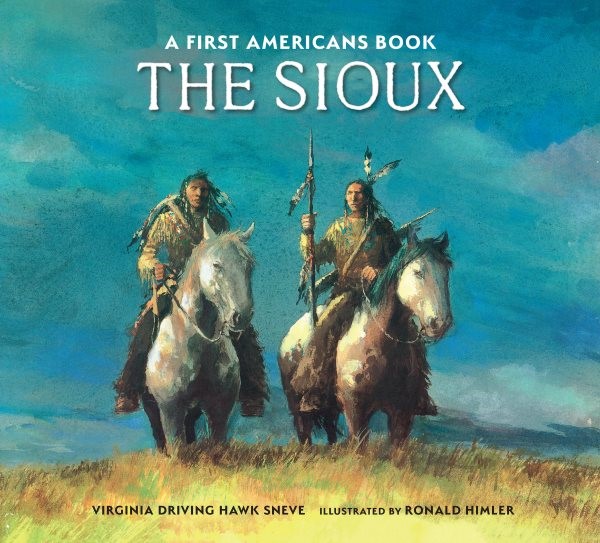
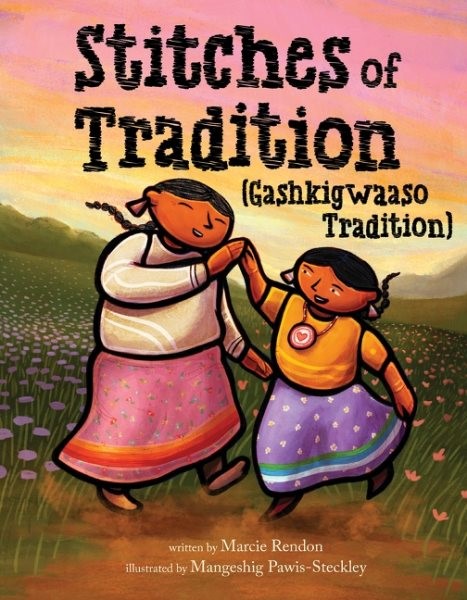

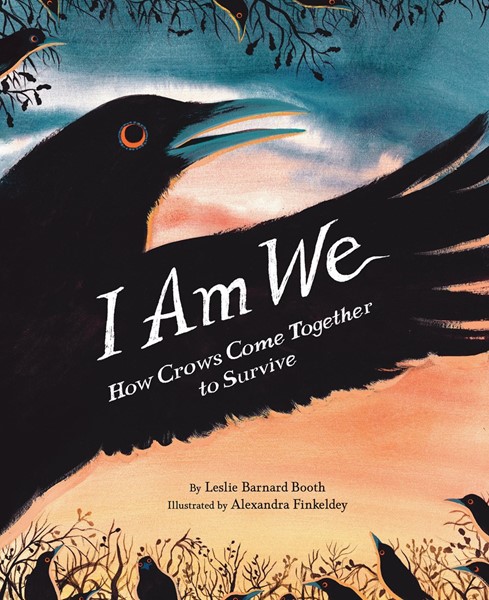
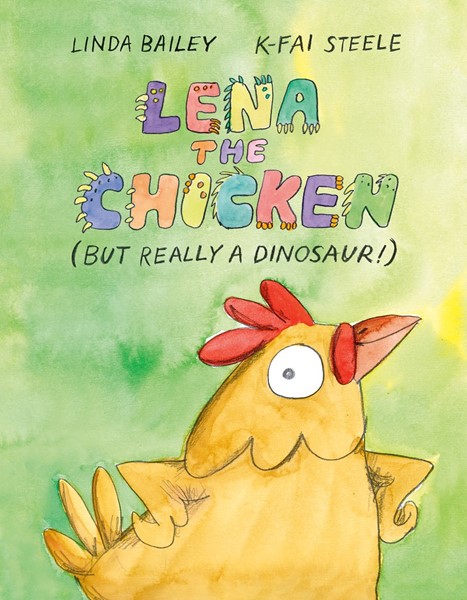
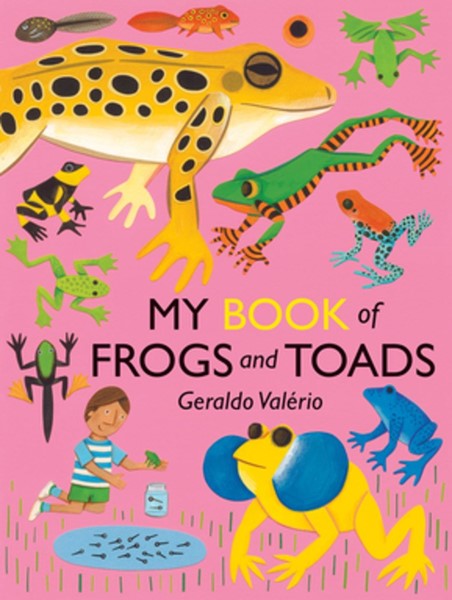
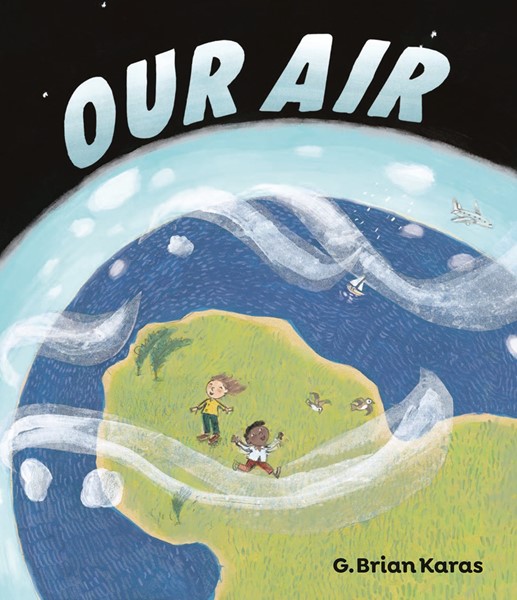
Here are 7 artful and engaging titles for K-2 classrooms! Five titles are nonfiction and two titles are stories that bring nonfiction topics to life.
Here is a round-up of 7 new school age titles for fall. You will find two great stories which bridge the gap to nonfiction subjects, and the balance are 5 wonderful nonfiction titles. The best nonfiction picture books have the power to engage, inspire, and educate children about the world around them. Whether narrative, expository, or browsable these works offer young readers meaningful insights into science, nature, history, and biographies.
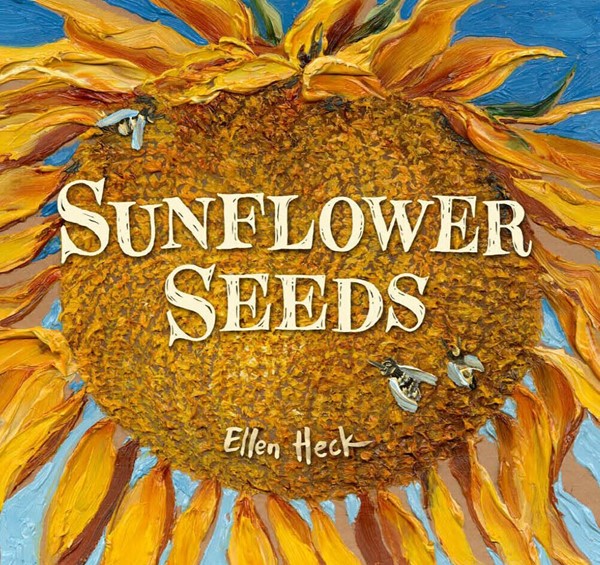
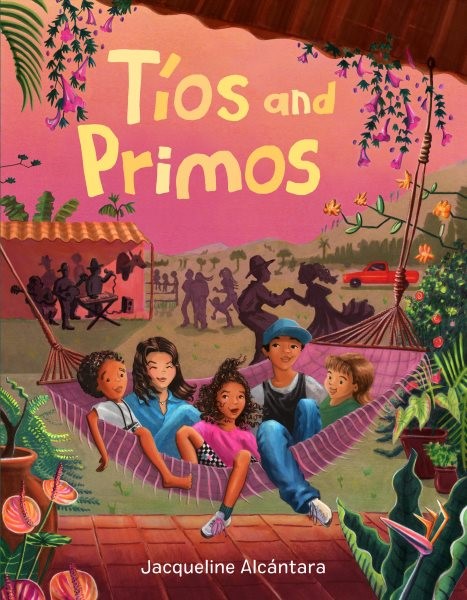
National Hispanic Heritage Month is an opportunity to celebrate Americans whose ancestors arrived from Spain, Mexico, the Caribbean, and Central and South America. It began as a weeklong event coinciding with the mid-September Independence Day celebrations in a number of Latin countries. Immigrants from these diverse countries to the United States have myriad brought food and cultural traditions and made history here, helping to shape the many definitions of being American.
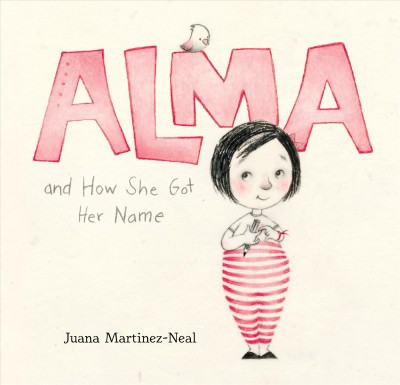
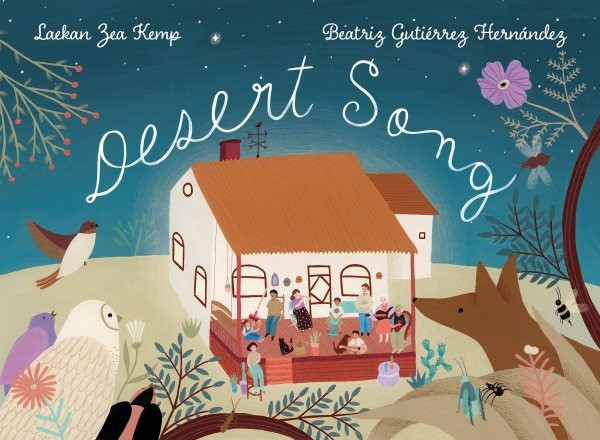
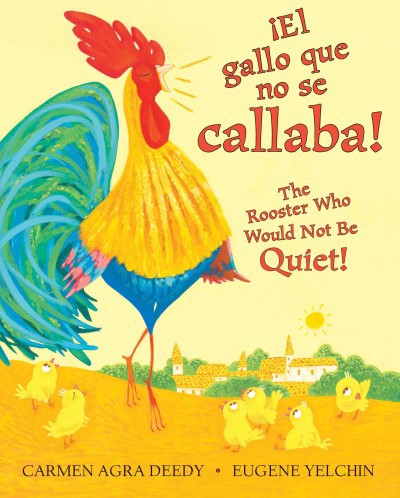
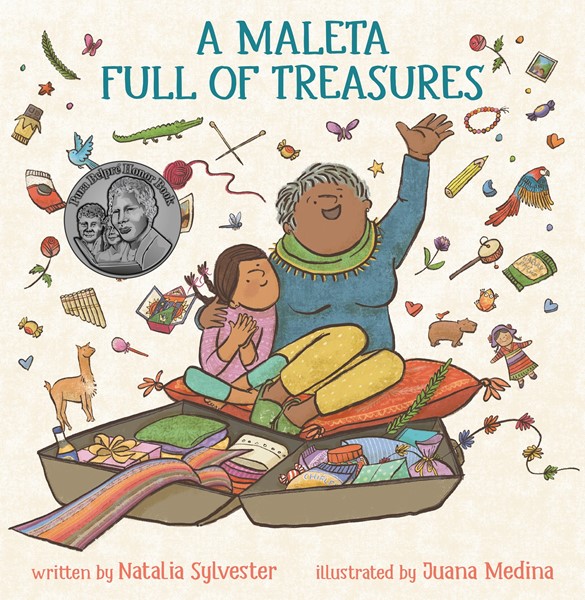
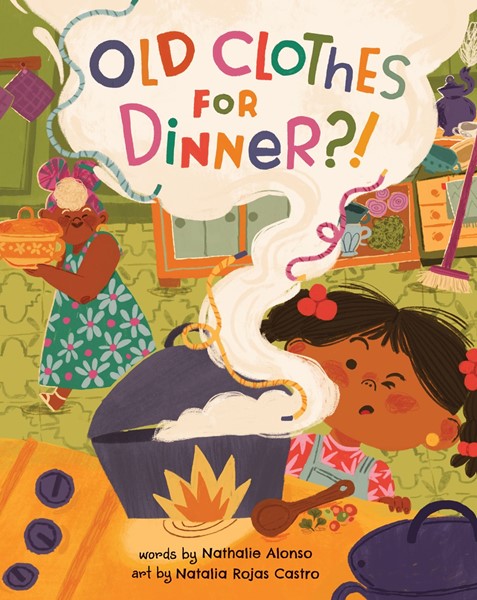
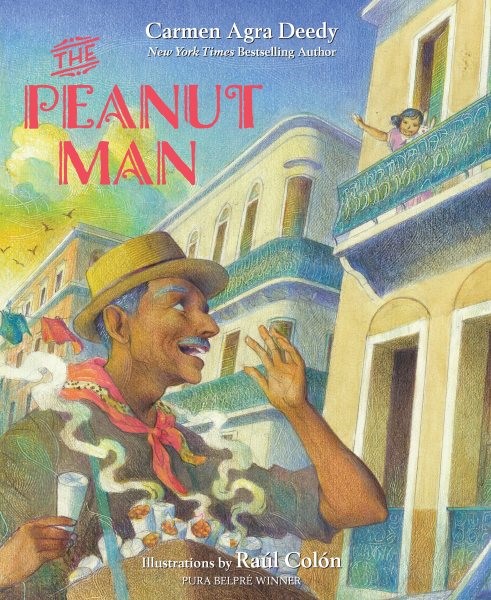
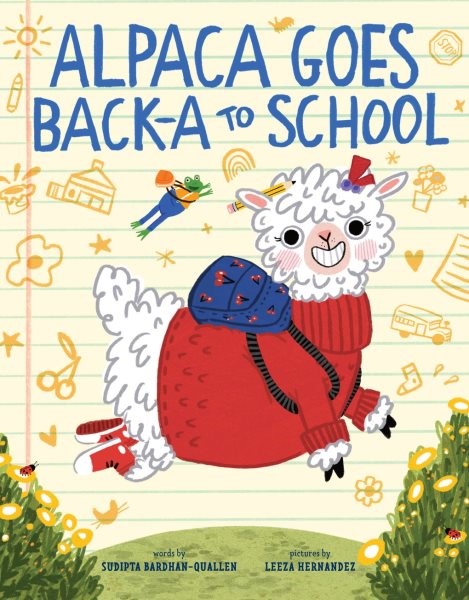
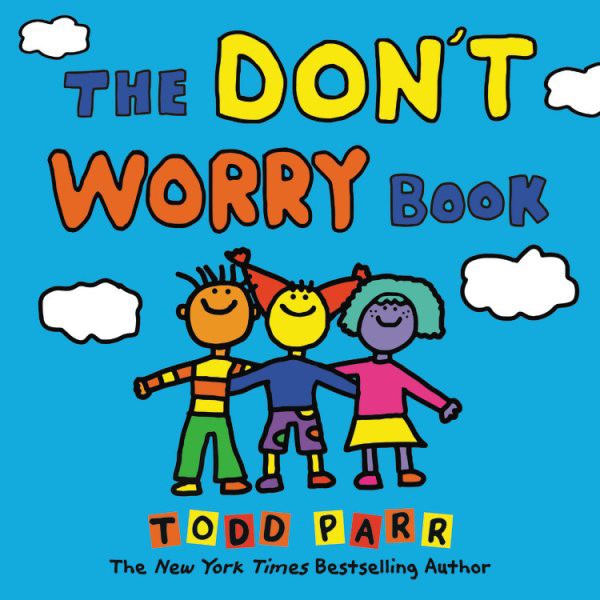
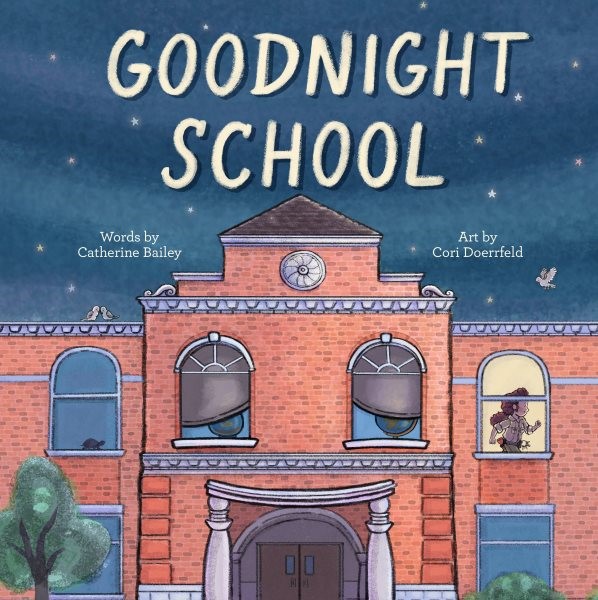
It's common for worries to pop up in children's lives. When you're small and vulnerable and so much of the world is unknown to you, it makes sense to fret! Common childhood fears include separation anxiety and anticipating new experiences like going to school. Books can familiarize children with what these experiences are actually like. When children know what to expect, they are less intimidated. Books also offer adults a way to invite children into conversation about their concerns.
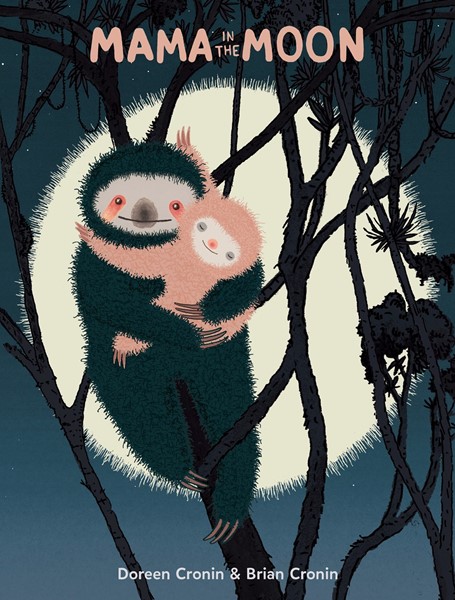

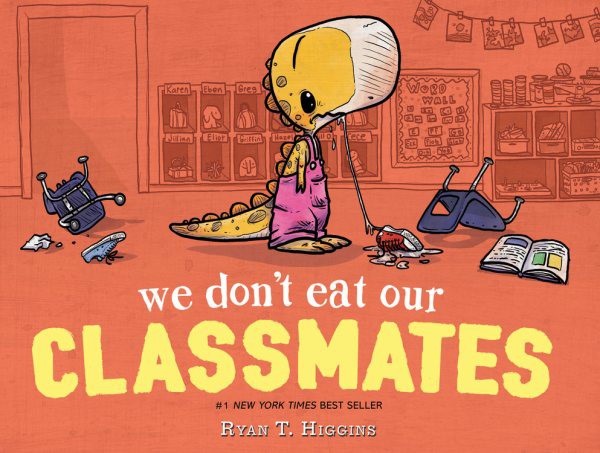
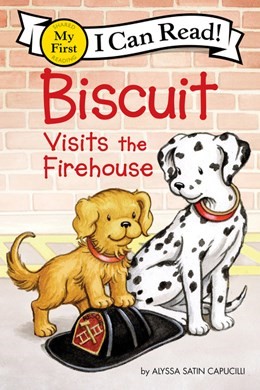
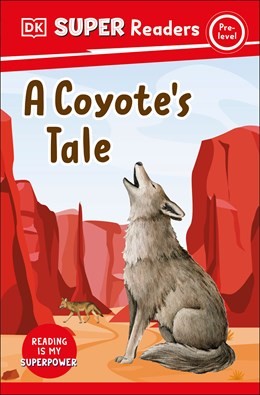
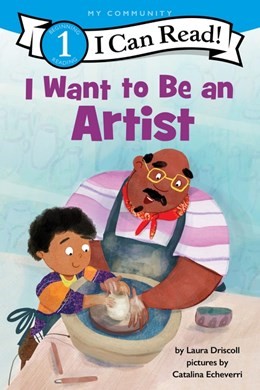
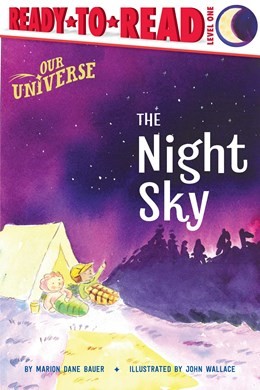
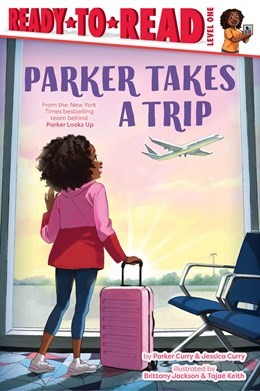
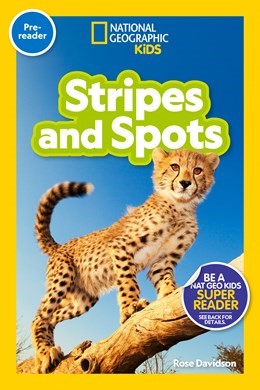
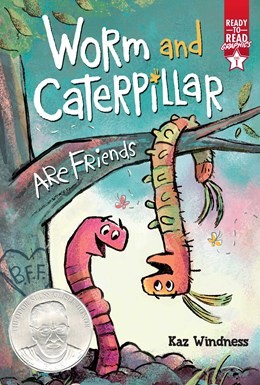

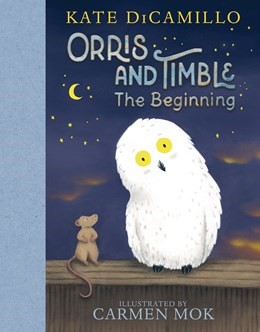
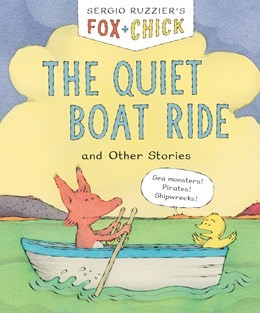
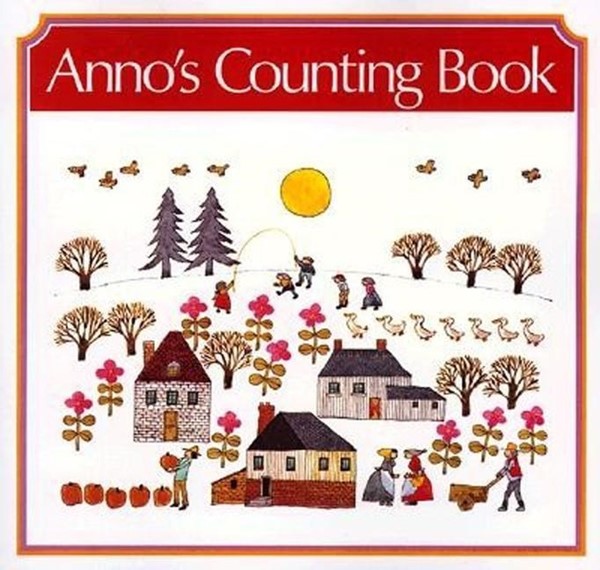
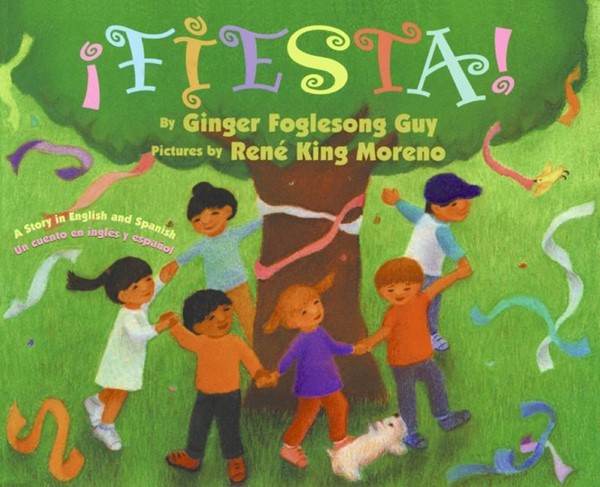
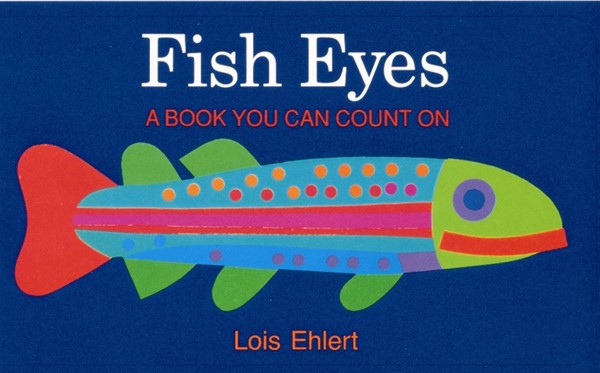
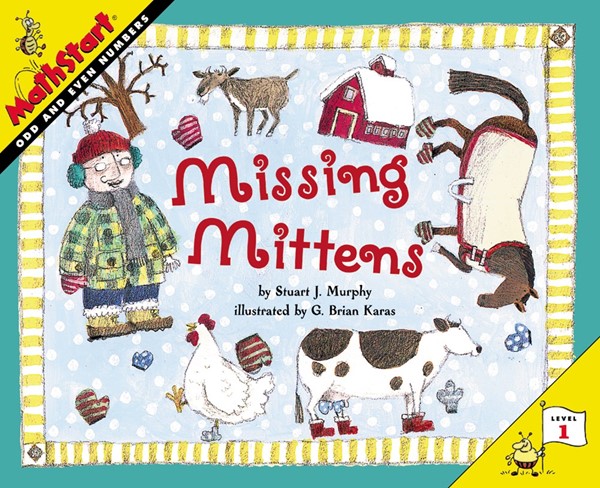
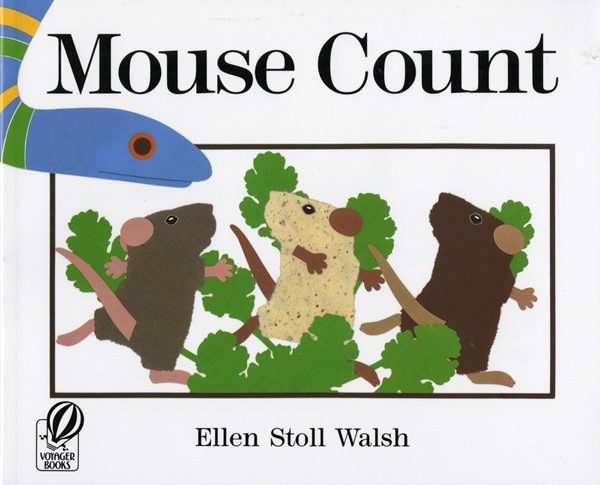
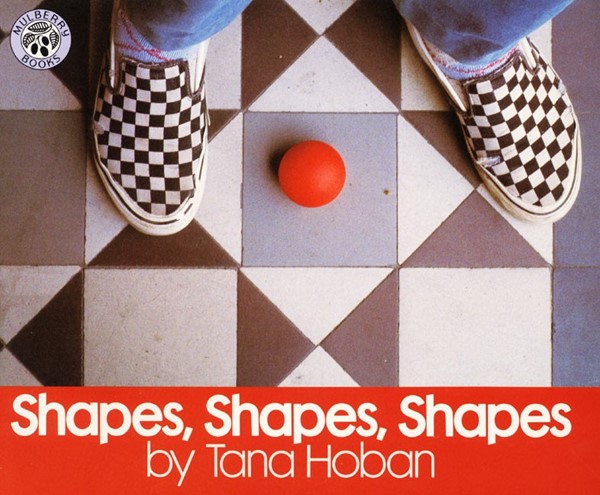
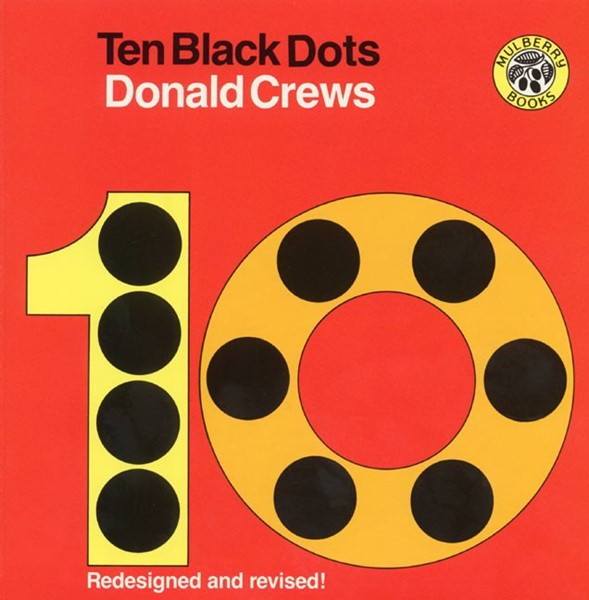
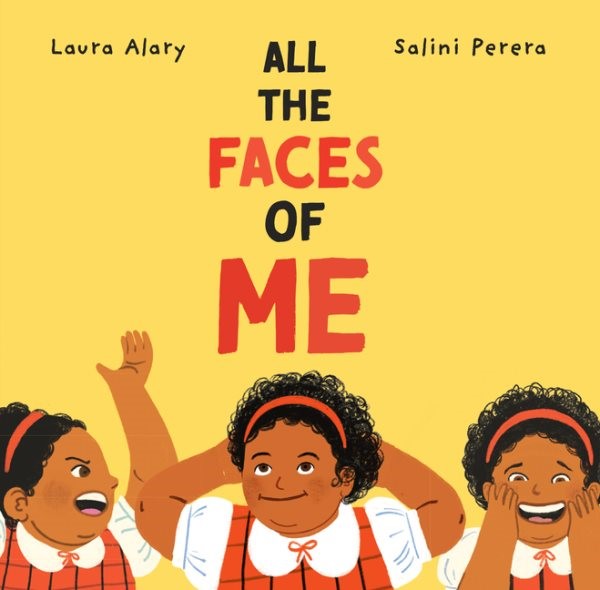
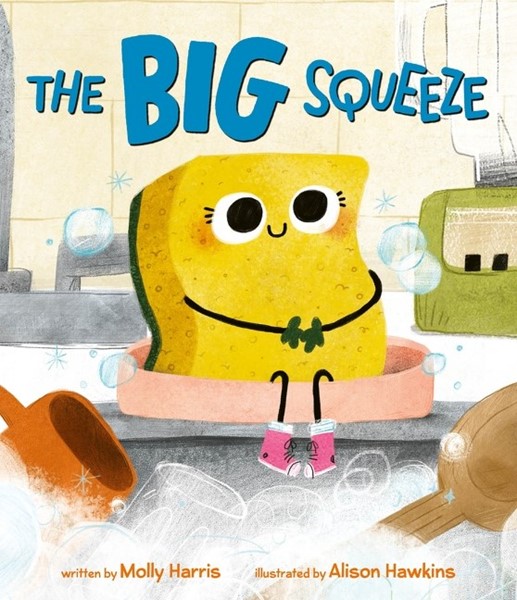
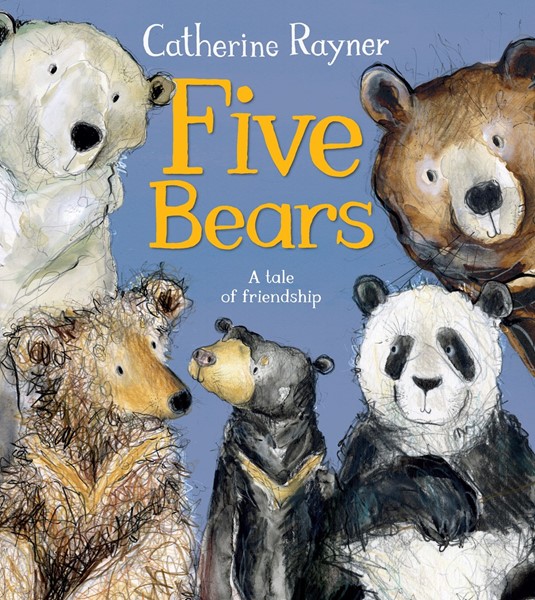
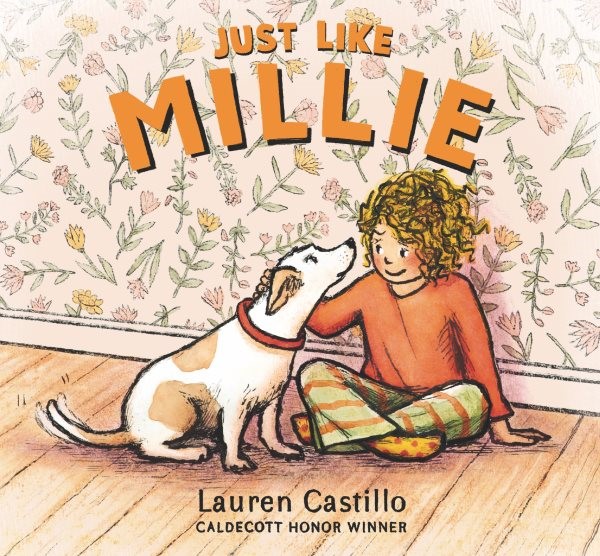
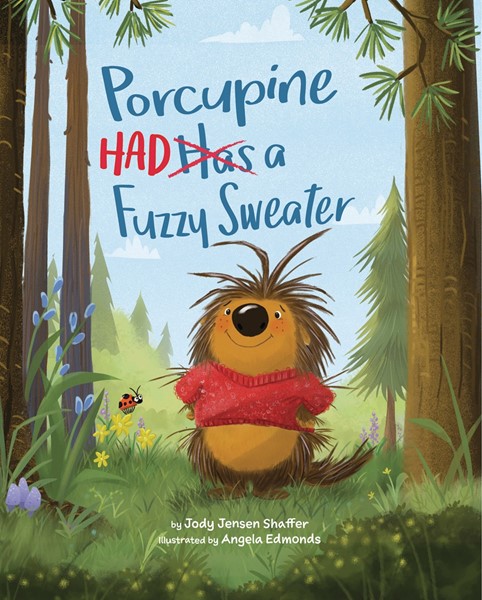
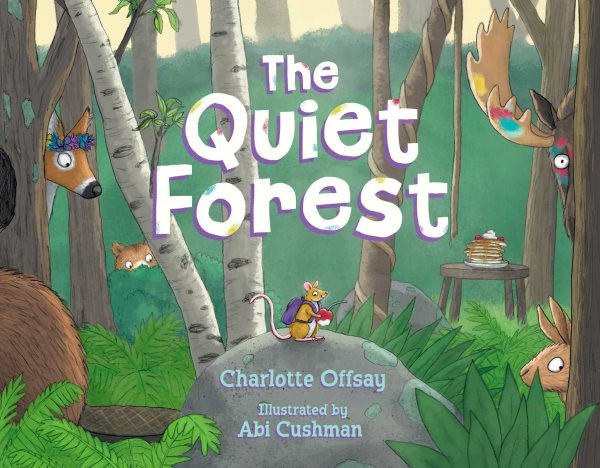
What a wonder our bodies and minds are! They help us achieve and enjoy so much each day, from helping with chores to playing with friends to regulating our behavior. It's never too early to love the body you're in!
Learn to care for it with nutritious foods, the pleasure of movement, and the gift of rest.
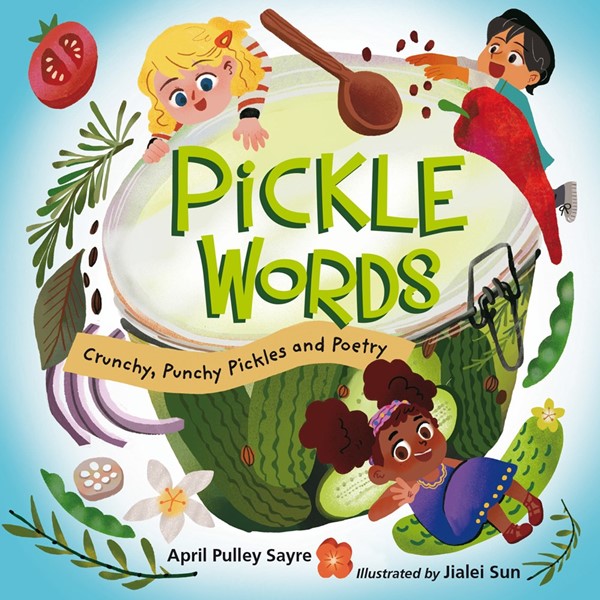
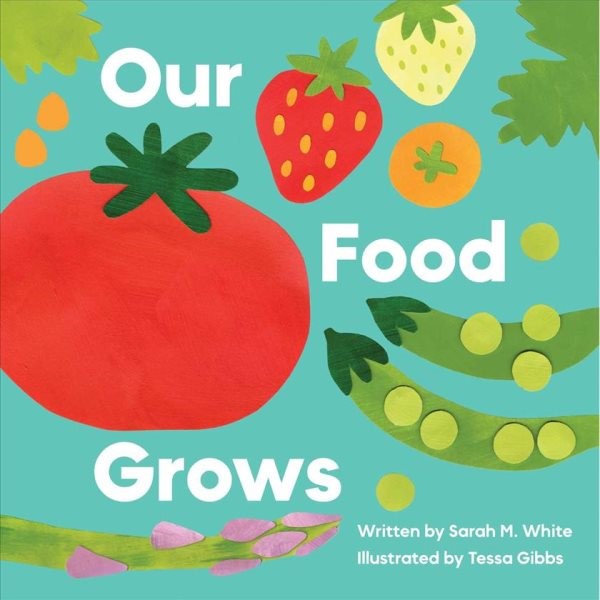
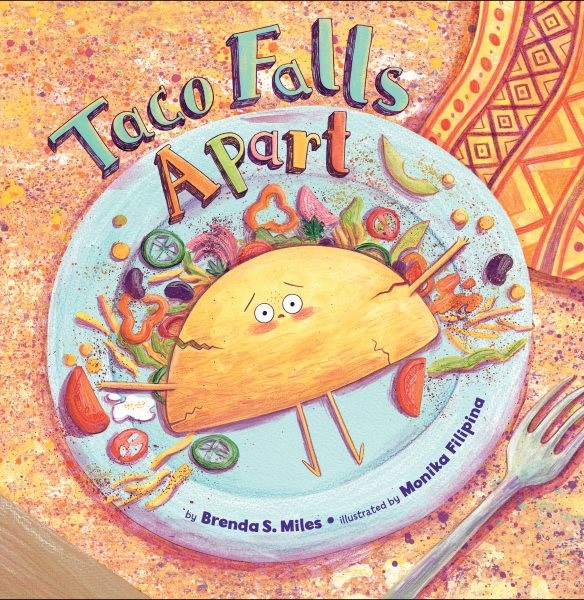
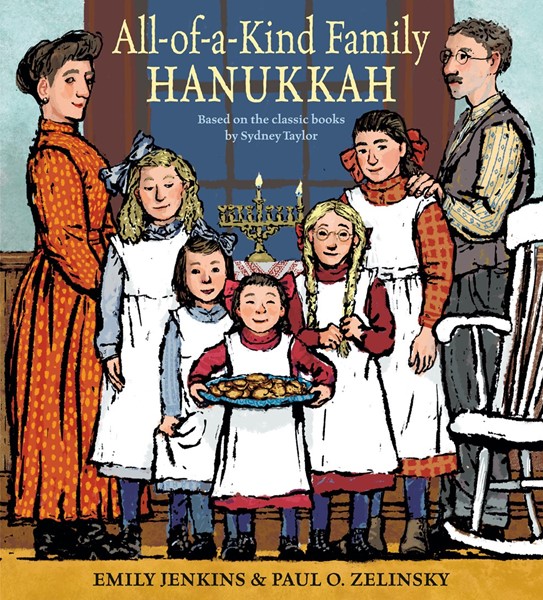
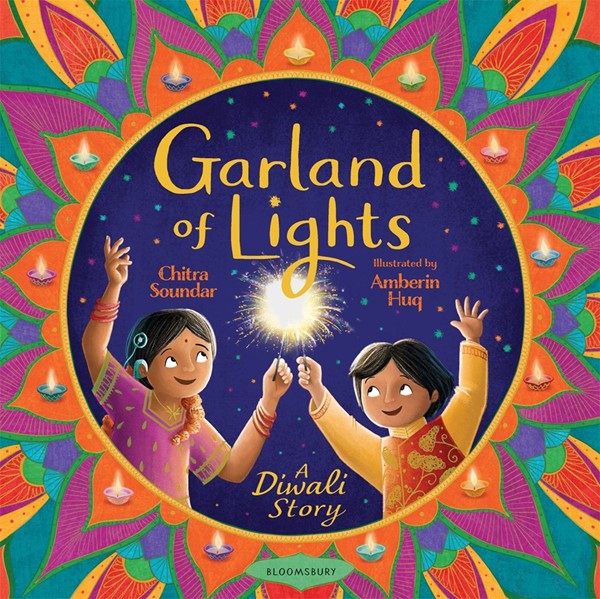
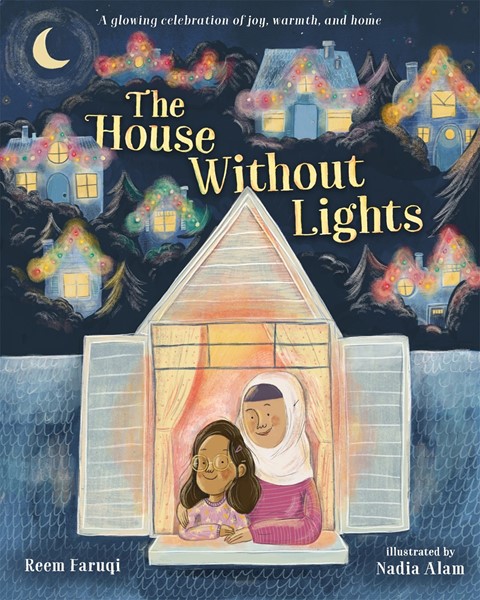
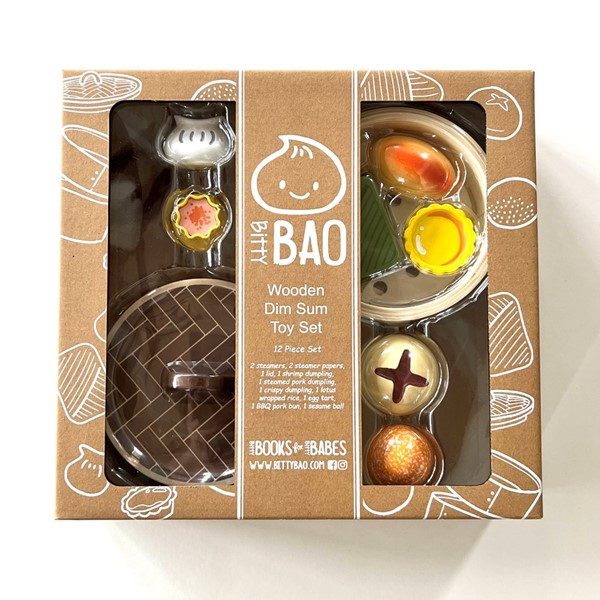
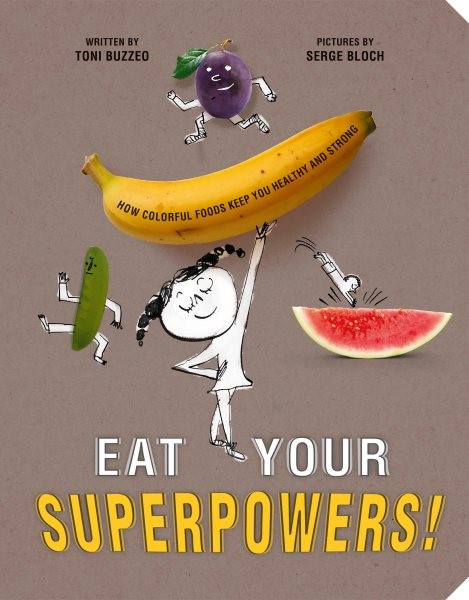
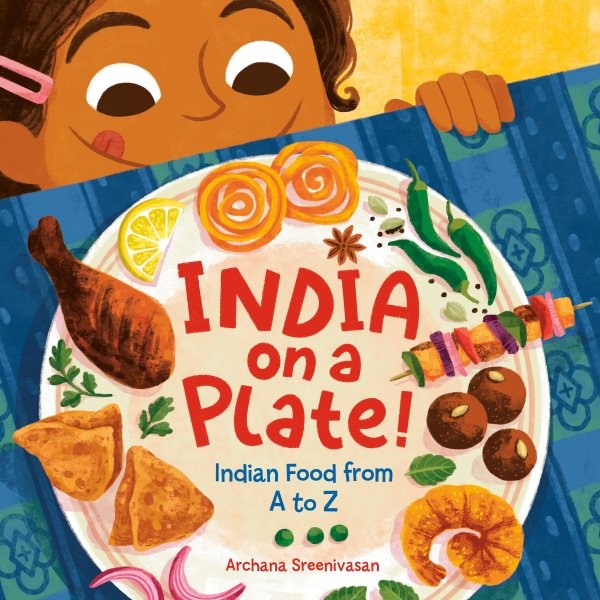
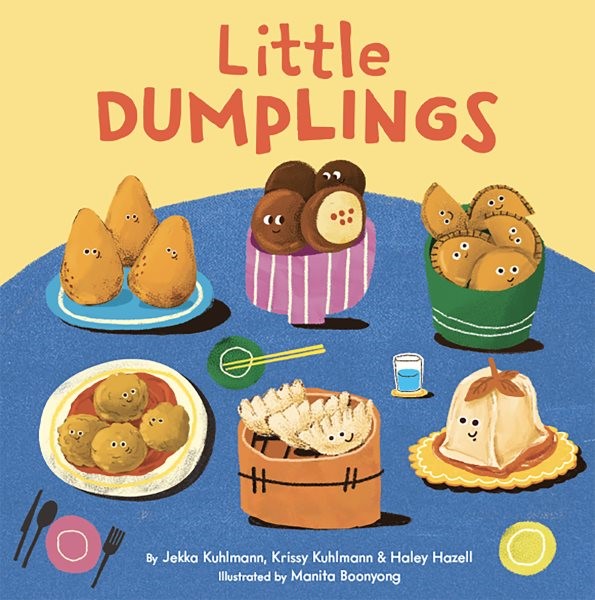
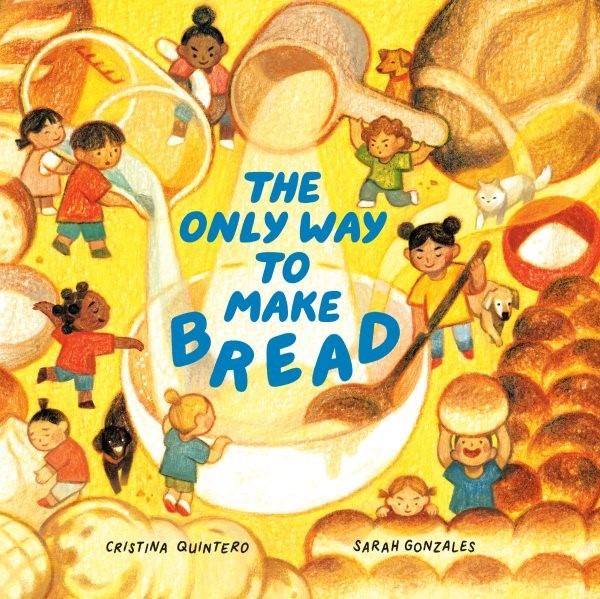
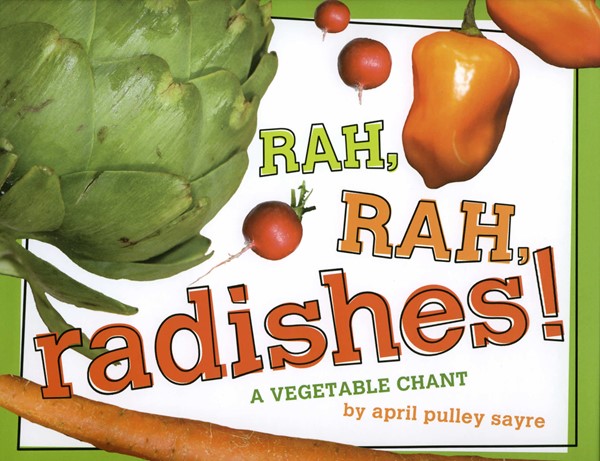
The books in this package are about different kinds of food. In addition to being good for our bodies, food helps us connect with others, pass along cultural traditions, share the activity of cooking, and have a chance to sit and talk with people we care about.

Books on tender topics may not be in regular rotation for story hour, but when a student is facing a specific challenge (death or divorce in the family, disability, mood disorder, neurodivergence, incarcerated parent, etc.), it's important to have resources on hand. Picture books are an effective way to begin conversations. They equip teachers with thoughtful language and framing, and they let children know that their experiences are real and affirmed in the community.
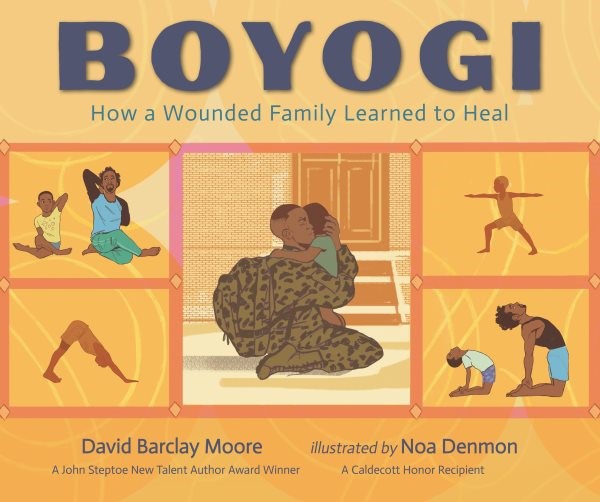
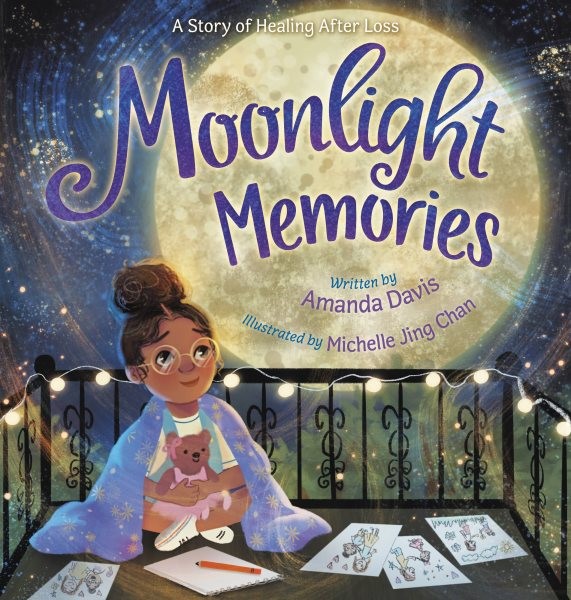
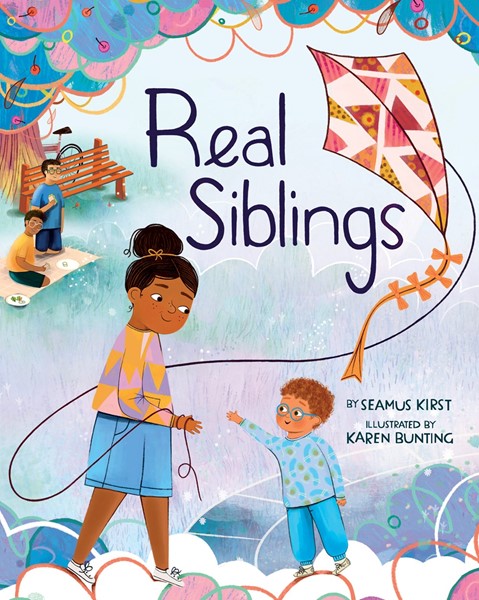
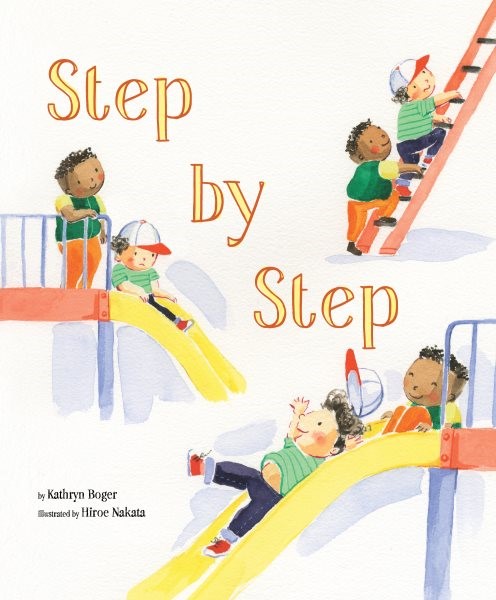
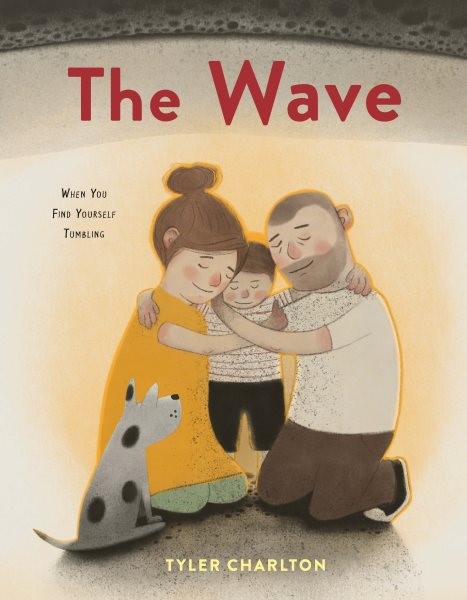
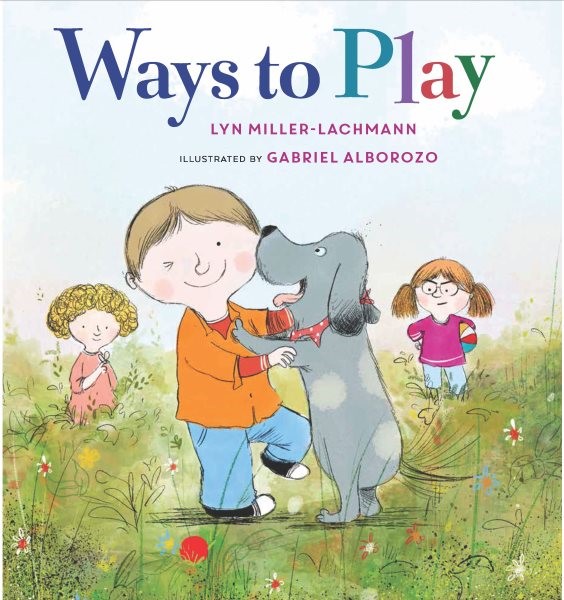
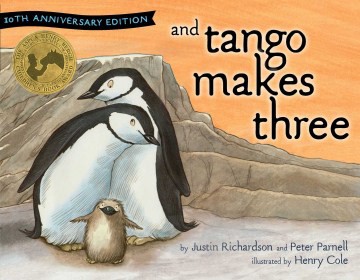
When it's June, it's Pride Month! This is a time of celebration for the LGBTQIA+ community and a time to push for continued acceptance and equal rights. As awareness grows, new challenges such as book bans emerge. One thing remains true for young children: Diverse books matter, and LGBTQIA+ books matter. They teach children to understand and respect the LGBTQIA+ people in their communities. And readers who are LGBTQIA+, or whose family members are LGBTQIA+, deserve to see themselves in their own children's books.
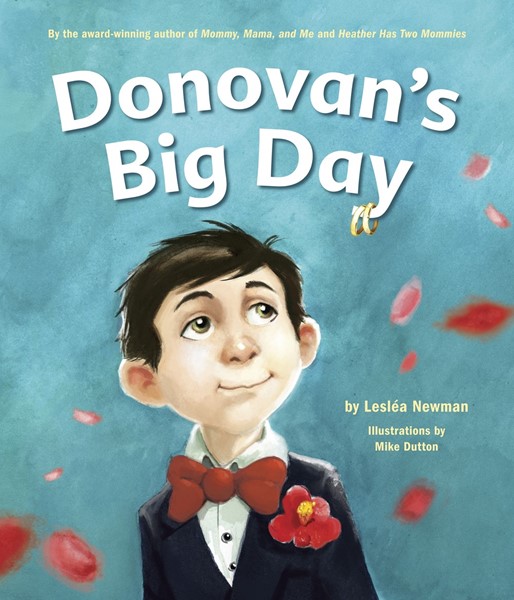
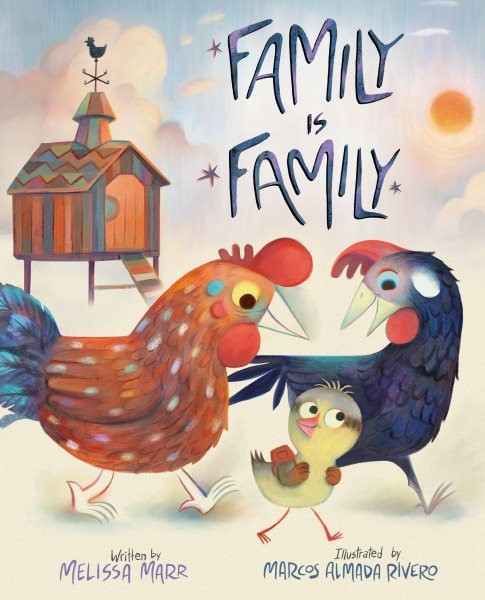
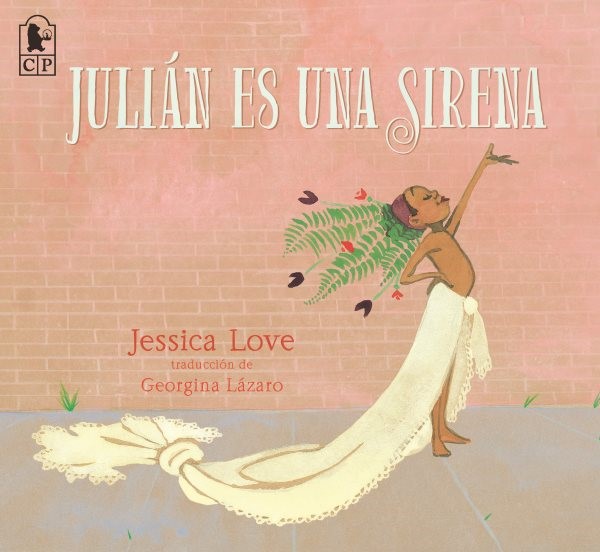
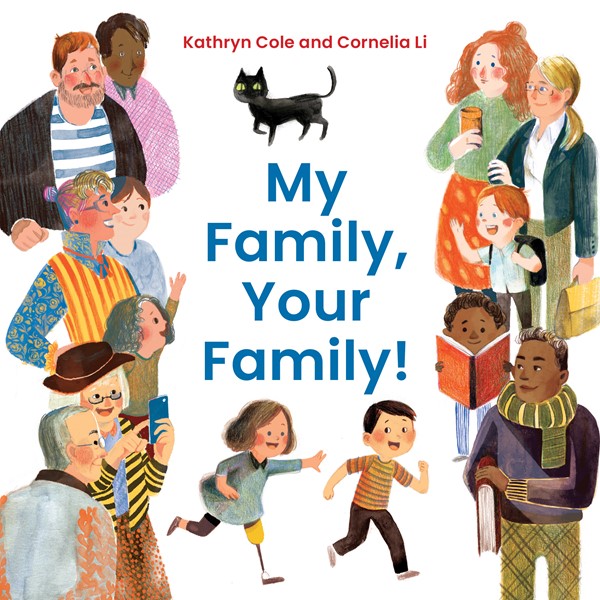
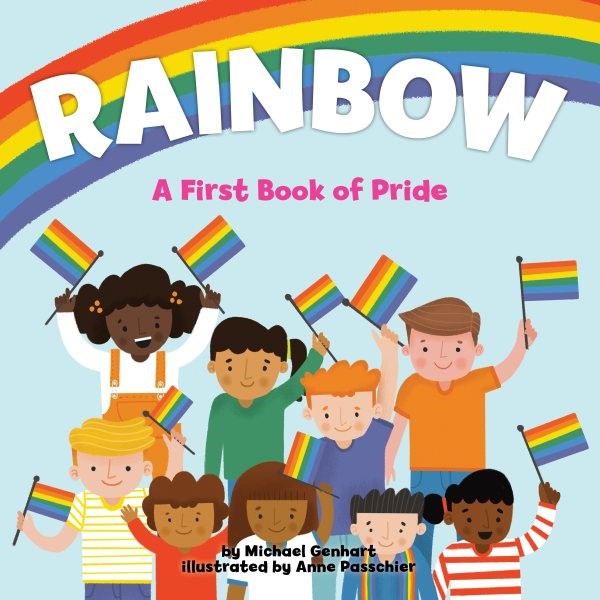
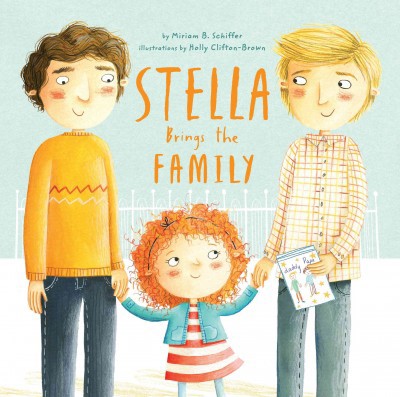
We can't control what the world lays at our doorstep, but we do get to decide how we treat those around us. Treating others with kindness can be transformative for us and them. Kindness is more than being nice. It's more than being polite and saying the easiest thing. It's about listening with a sympathetic ear, considering the other person, and finding ways to help. Sometimes it's easy, sometimes it's really hard, and sometimes we just need a little practice and some good examples.
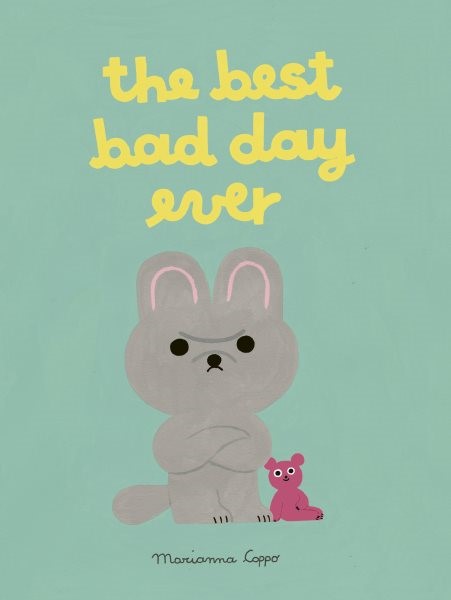
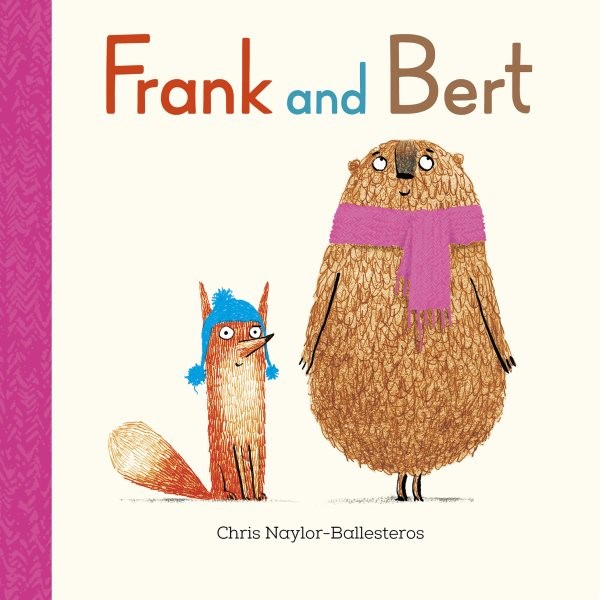
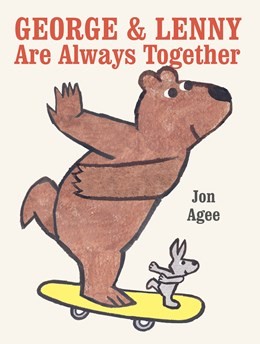
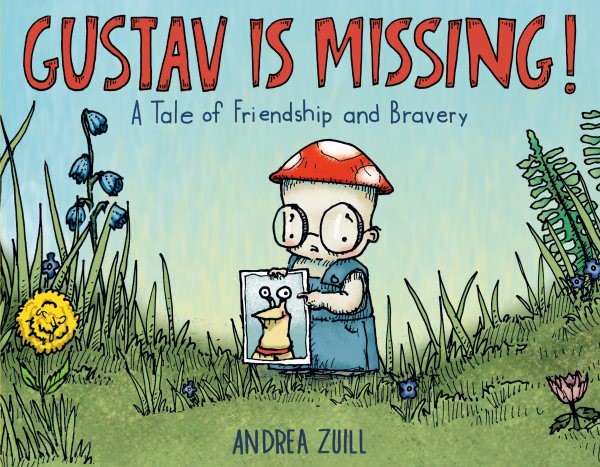
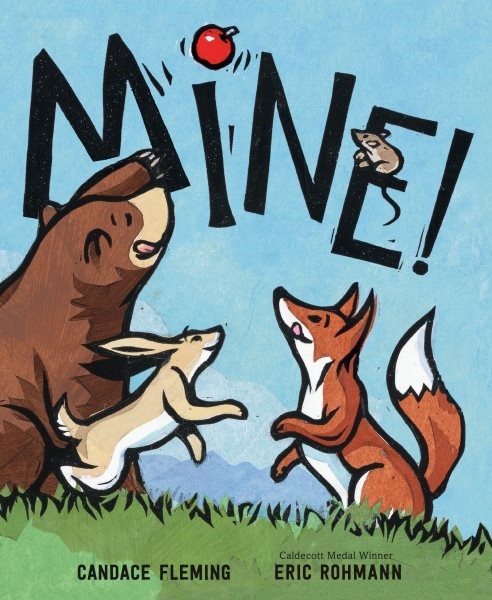
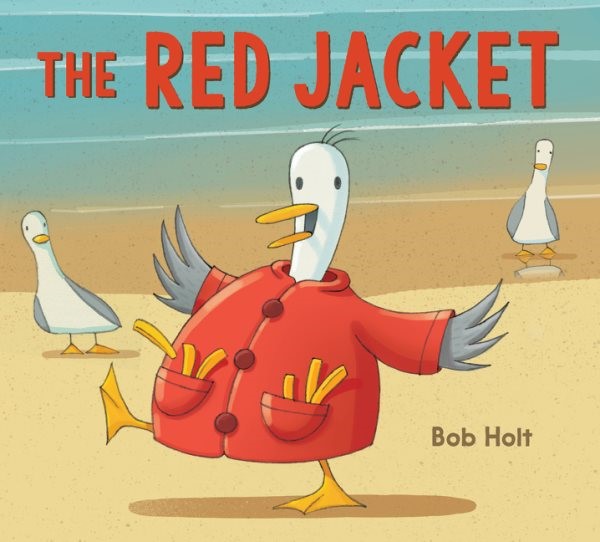
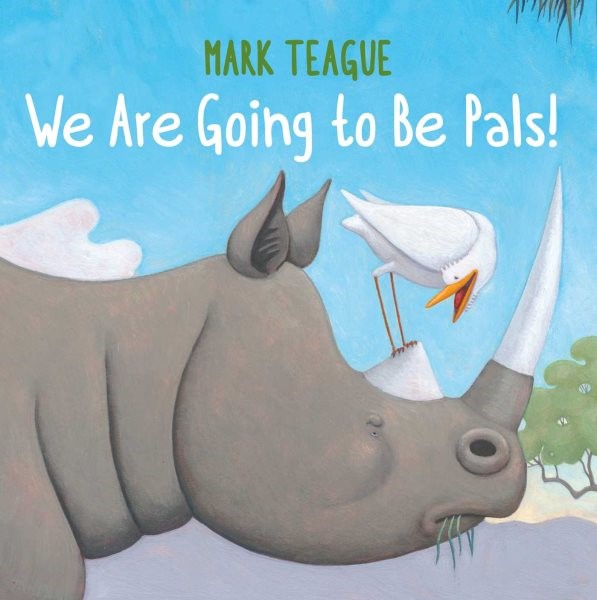
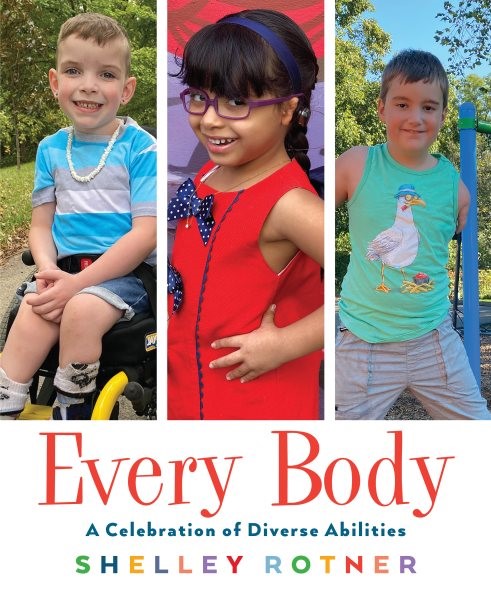
Inclusion is the third piece in the DEI (Diversity, Equity and Inclusion) triad. Diverse representation and equitable opportunities for all are essential starting points, but inclusion completes the picture. Inclusion means not just being invited to participate, not just being given opportunities, but having a sense of belonging in the group and feeling safe in one's identity, whether that's in relation to race, gender, socioeconomic status, or ability. The books below focus on the inclusion of differently-abled children.
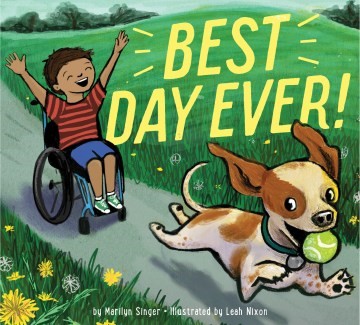
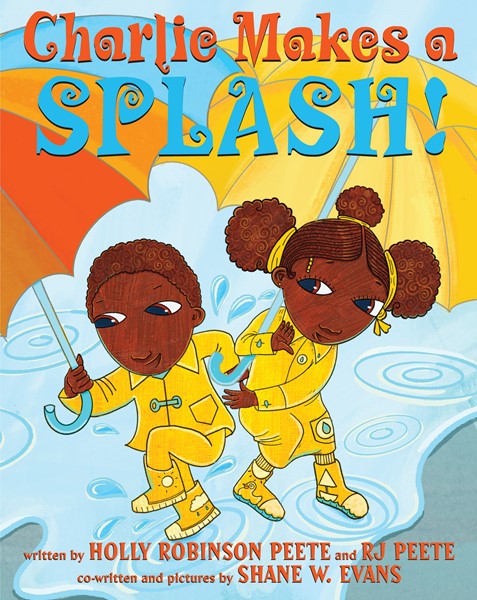
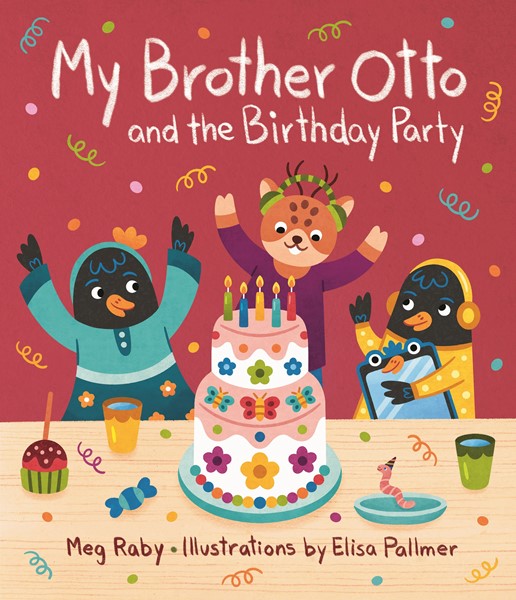
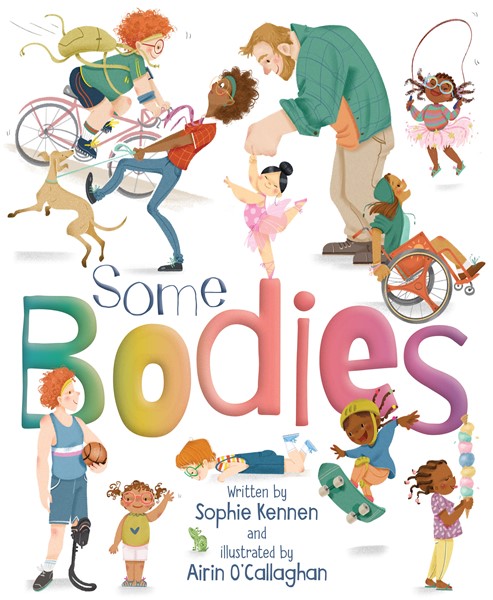
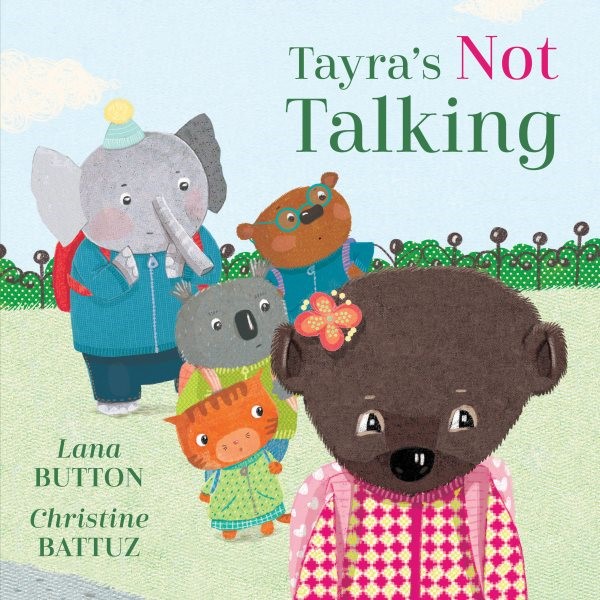
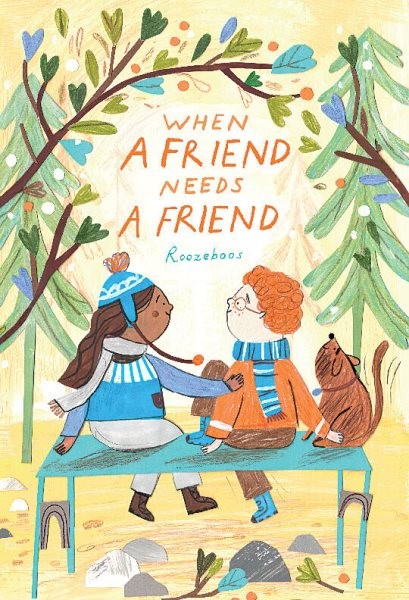
Early childhood teachers can attest that board books really are the best thing since sliced bread. They are the gateway to literacy and art for young children. Their sturdy pages mean that toddling paper-tearers everywhere can have the freedom to hug and hold and feel and tug on and turn pages of their favorite books, without causing expensive damage or requiring constant close supervision. But like every transitionary tool, there comes a time for the next step. Children become eager for the bigger, bolder illustrations and longer stories in hardcovers. These seven books feature thicker pages to stand up to those learning to turn pages in hardcover books.
The Book Vine Discount
Orders $500 to $9,999.99..............10% OFF
Orders $10,000 to $24,999.99.......15% OFF
Orders Over $25,000......................20% OFF